Blog
Xendoll has 22 years of experience in the production of small machine tools. We will help you choose the suitable machine and share our experience in CNC machining with you.

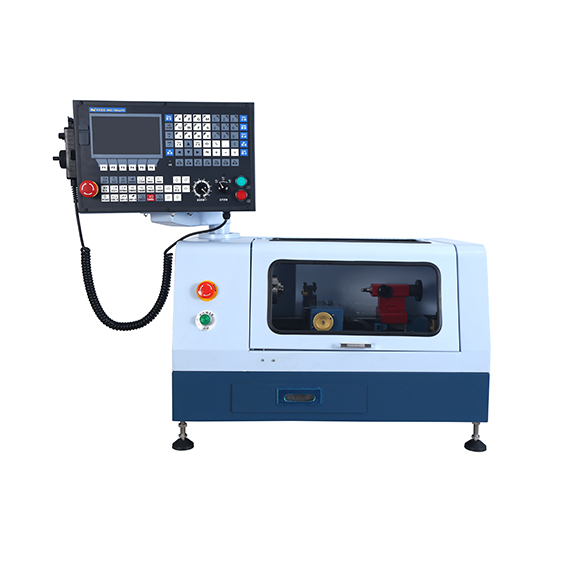
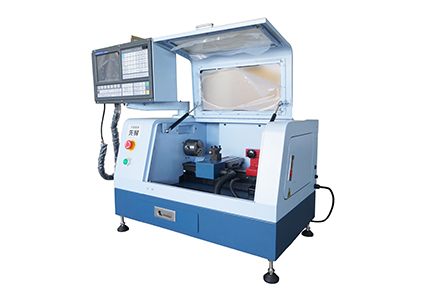
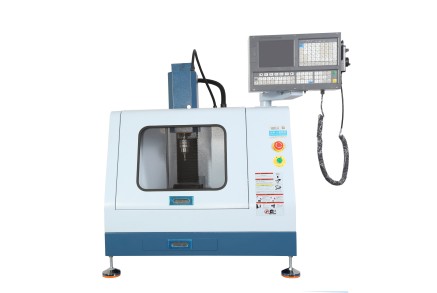
▸High performance 2 axis Lathe CNC controller.| ▸8 inches color screen, interface can be made of parameter selection in both Chinese and English.| ▸The standard spec includes MPG hand wheel.| ▸Selection of high -quality casting materials, more compact, High strength guide way.| ▸Automatic 4 positions tool post.| ▸Controller auto stop work when door open.| ▸High quality 2 axis AC Servor Motor.| ▸USB and RS232 port, DNC function of USB.| ▸Control speed of G code.| ▸Best choice for DIY or Hobby user and Education & Training CNC.|
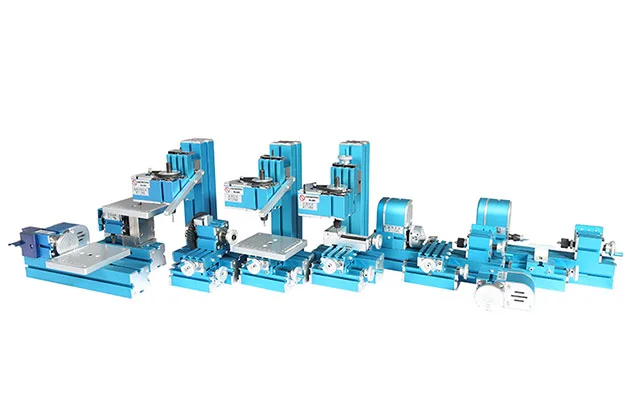
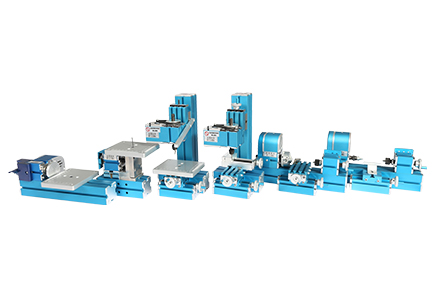
Metal Jigsaw | Metal woodturning Machine| Metal lathe Machine | Metal Milling Machine| Metal Drilling Machine| Metal Sanding Machine| Metal On-hand machine| Metal Drilling machine with dividing attachment


Xendoll has 22 years of experience in the production of small machine tools. We will help you choose the suitable machine and share our experience in CNC machining with you.
 Dec 11, 2025

 1459
1459
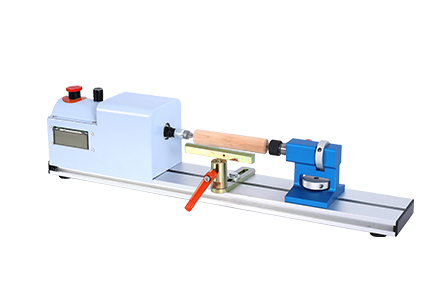
Woodturning on a lathe is a profoundly rewarding craft, transforming raw timber into objects of beauty and function. However, the very power and speed that make this possible also introduce significant hazards. For mechanical distributors, educational institutions, and hobbyists, understanding these dangers is not just about safety compliance—it’s a fundamental prerequisite for enjoying the craft sustainably. The primary risks of using a wood lathe stem from high-speed rotation and involve mechanical injury, inhalation hazards, and the potential for devastating workplace accidents if proper protocols are neglected.
The most immediate and severe dangers are mechanical injuries from contact with the machine or workpiece. The rotating spindle and chuck pose an entanglement risk for loose clothing, long hair, or jewelry, which can pull the operator into the machine with catastrophic force. A loose piece of clothing can become caught in a matter of milliseconds. Furthermore, the workpiece itself can become a projectile. If a blank is improperly secured, has hidden cracks, or is unbalanced, the immense centrifugal force can cause it to shatter or be hurled from the lathe at high speed. This is not merely a risk of minor injury; a large, heavy piece of wood can cause fatal impact trauma. Additionally, tools can catch on the wood, leading to dangerous kickbacks. A catch can violently wrench the tool from the operator’s hands, potentially causing hand injuries or flinging the sharp tool across the workshop. The sharp chisels and gouges used, if handled carelessly, also present a constant laceration hazard.
Beyond the visible mechanical threats, wood lathes generate serious environmental and health hazards, primarily through dust and noise. Wood dust, especially from certain exotic or treated woods, is a known carcinogen and a potent allergen. Prolonged inhalation without protection can lead to chronic respiratory conditions like asthma, nasal cancer, or sensitization. The fine dust particles produced during turning permeate the air and settle on every surface, creating a persistent health risk. Equally insidious is noise exposure. A wood lathe, combined with the cutting action and dust collection systems, often produces sustained noise levels above safe thresholds. Chronic exposure can lead to permanent, irreversible hearing loss or tinnitus. These are not acute injuries but slow, accumulating degradations of health that are often overlooked by enthusiasts focused on the immediate task.
Perhaps the most preventable category of danger arises from human factors: complacency, fatigue, and improper setup. Complacency is the seasoned turner’s greatest enemy. Familiarity can breed carelessness—skipping safety checks, removing guards, or ignoring personal protective equipment (PPE). Fatigue impairs judgment, slows reaction time, and reduces coordination, dramatically increasing the likelihood of all other accidents. Technical shortcomings in setup are equally critical. Using inappropriate speed for the size and condition of the workpiece, employing dull tools that require excessive force, or failing to securely fasten the blank to the lathe are all errors that precede many serious accidents. In an educational setting, where students may be inexperienced and easily distracted, these risks are magnified, underscoring the need for rigorous supervision and training protocols.
In conclusion, the dangers of using a wood lathe are multifaceted, ranging from immediate traumatic injuries to long-term health degradation. They are inherent to the machine’s function but are overwhelmingly manageable through knowledge, respect, and disciplined practice. Safety is not an accessory to woodturning; it is the foundation upon which all skill is built. For distributors and educators, promoting this safety-first mindset is paramount. It protects end-users, safeguards your clients, and fosters a responsible, sustainable craft community. Before engaging the lathe, one must always engage their full attention: ensure proper PPE (safety glasses, respirator, hearing protection), conduct a thorough workpiece inspection, verify secure mounting, and select the correct speed. Remember, in the workshop, there is no shortcut that is worth compromising your safety. At Xendoll Tools, we are committed to providing equipment that supports not only creativity and precision but also a culture of unwavering safety for every turner, from the enthusiastic beginner to the professional artisan.


 Show all our samples
Provide you with a free quote
Answer all the questions you may have
Guided installation and other options
Show all our samples
Provide you with a free quote
Answer all the questions you may have
Guided installation and other options