Blog
Xendoll has 22 years of experience in the production of small machine tools. We will help you choose the suitable machine and share our experience in CNC machining with you.

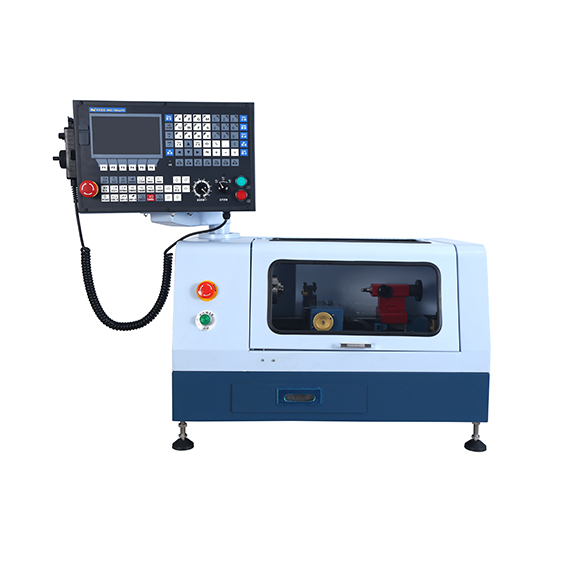
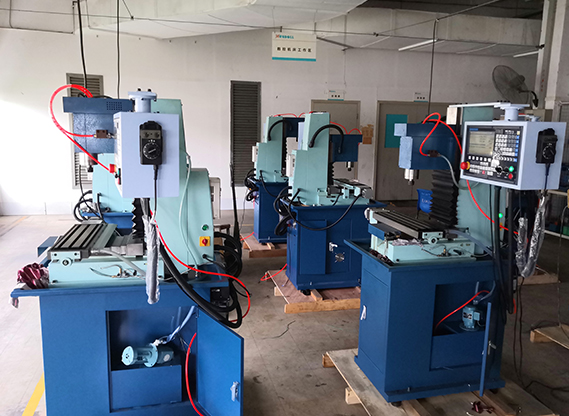
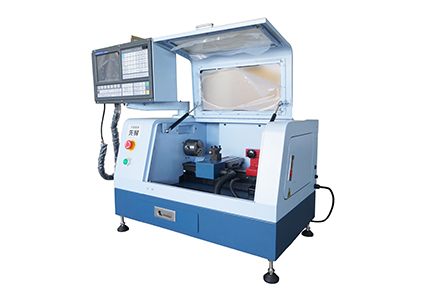
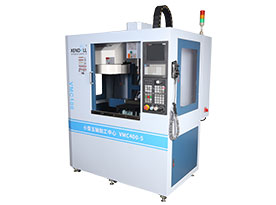
▸High performance 2 axis Lathe CNC controller.| ▸8 inches color screen, interface can be made of parameter selection in both Chinese and English.| ▸The standard spec includes MPG hand wheel.| ▸Selection of high -quality casting materials, more compact, High strength guide way.| ▸Automatic 4 positions tool post.| ▸Controller auto stop work when door open.| ▸High quality 2 axis AC Servor Motor.| ▸USB and RS232 port, DNC function of USB.| ▸Control speed of G code.| ▸Best choice for DIY or Hobby user and Education & Training CNC.|
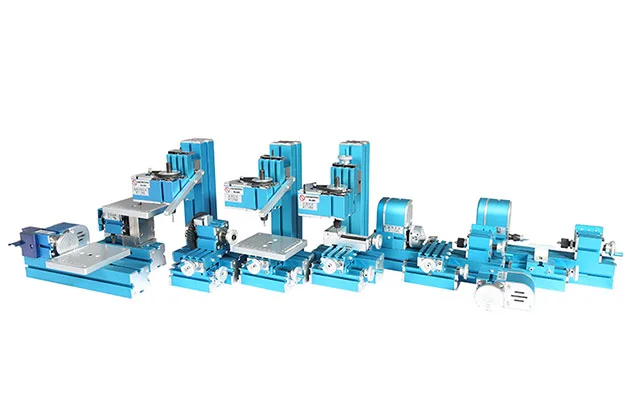
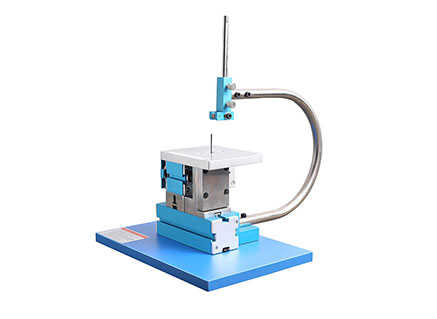
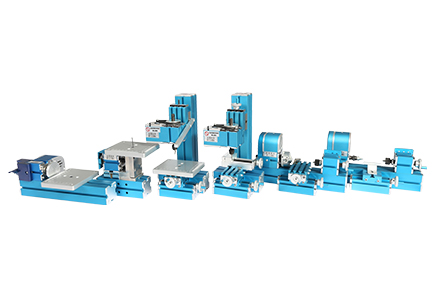
Metal Jigsaw | Metal woodturning Machine| Metal lathe Machine | Metal Milling Machine| Metal Drilling Machine| Metal Sanding Machine| Metal On-hand machine| Metal Drilling machine with dividing attachment



Xendoll has 22 years of experience in the production of small machine tools. We will help you choose the suitable machine and share our experience in CNC machining with you.
 Dec 01, 2025

 1451
1451
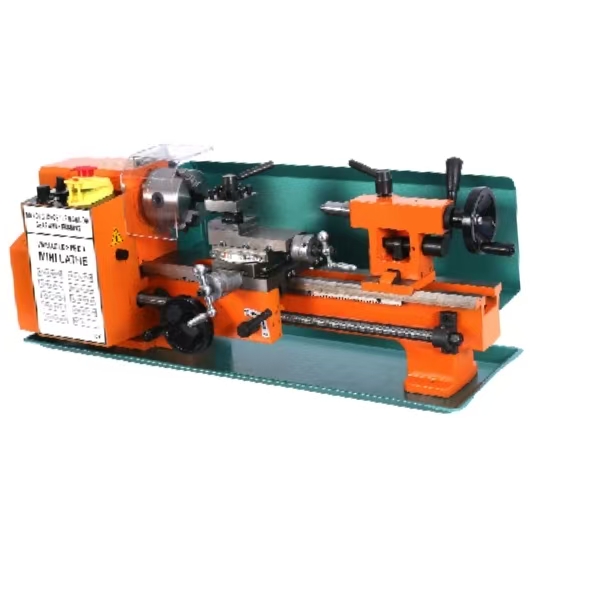
While drilling is most commonly associated with drill presses, utilizing a lathe for this operation unlocks a superior level of precision, concentricity, and versatility. For machining enthusiasts, educators, and professional workshops, mastering lathe drilling is a fundamental skill for creating perfectly aligned holes in turned components. This guide will walk you through the essential steps, techniques, and safety considerations to perform drilling operations effectively and safely on your lathe.
The Core Principle and Advantages
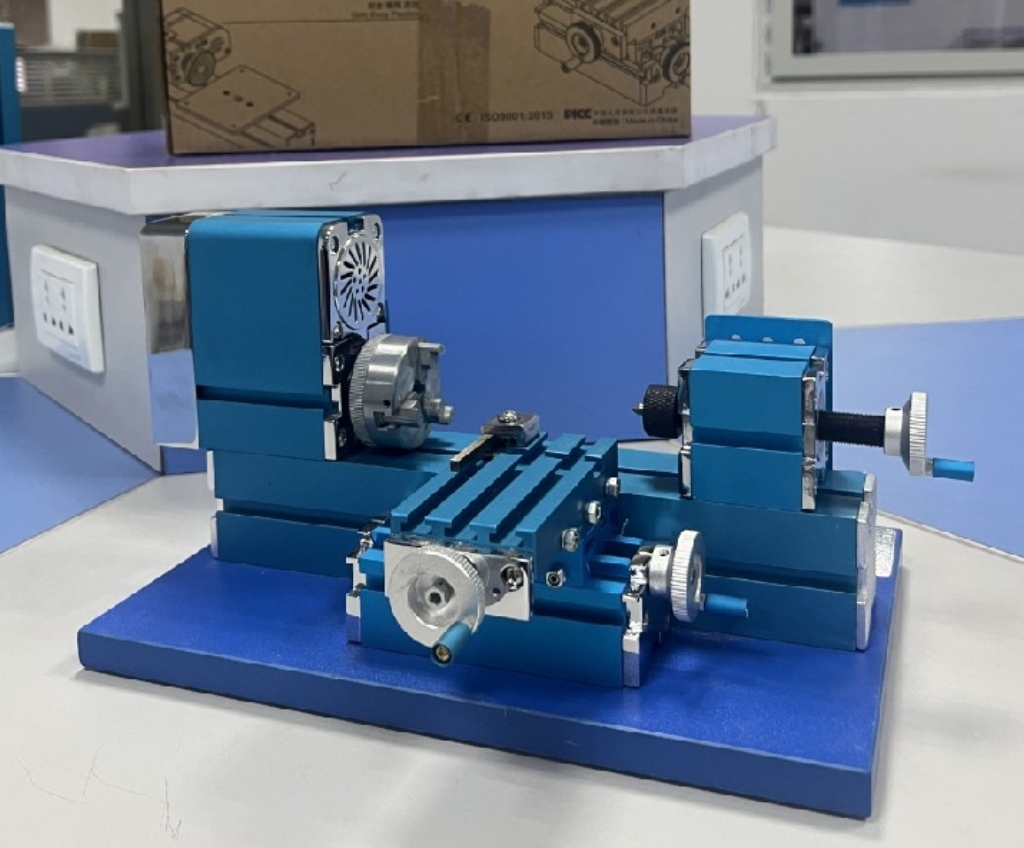
Drilling on a lathe involves holding the workpiece securely in the chuck (headstock) and rotating it against a stationary drill bit held in the tailstock. This method guarantees that the hole will be drilled exactly on the centerline axis of the workpiece, a critical requirement for parts that will be mounted on shafts or require high rotational balance. Compared to a drill press, lathe drilling offers unmatched concentricity, the ability to drill directly into the face of a cylindrical part, and seamless integration with turning, boring, and facing operations in a single setup.
Step-by-Step Guide to Drilling on a Lathe
Preparation & Safety First: Always begin by wearing appropriate personal protective equipment (PPE)—safety glasses are non-negotiable. Ensure the lathe is powered off. Secure your workpiece firmly in the headstock chuck. Verify that the tailstock is tightly locked onto the lathe bed. The work area must be clean and well-lit.
Center Drilling: The Critical First Step: Before drilling with a standard twist drill, always create a small pilot hole using a center drill. This prevents the larger drill bit from "walking" or deflecting off-center, which is crucial for accuracy. Mount a drill chuck into the tailstock quill. Insert a center drill, bring the tailstock forward, and apply light pressure and slow speed to create a small, precise starting point for the main hole.
Selecting and Mounting the Drill Bit: Choose a sharp, correctly sized twist drill bit for your desired hole. Insert it fully and securely into the tailstock drill chuck, ensuring it is held straight. For larger holes, it’s often more efficient to drill a smaller pilot hole first before stepping up to the final size, as this reduces thrust force and improves accuracy.
Setting Speed and Feed: Correct parameters are vital. As a general rule, smaller drill bits require higher RPMs, while larger bits require slower speeds. Material matters: aluminum can be drilled at higher speeds than steel. Start at a conservative speed. Use the tailstock handwheel to advance the drill bit into the workpiece—this is your "feed." The feed should be steady and consistent. Retract the bit frequently to clear chips (especially in metals) and prevent overheating. Adding a suitable cutting fluid (for metals) will prolong tool life and improve hole finish.
Deep Hole Drilling Techniques: For holes deeper than three times the drill diameter, special care is needed. Peck drilling—advancing the bit a short distance, then retracting fully to clear chips—is essential to prevent clogging and breakage. Ensure you have sufficient quill travel in your tailstock or plan to reposition the workpiece.
Finishing and Considerations: Once the desired depth is reached, retract the drill bit with the lathe still spinning to clean the hole’s edge. You may then proceed with other lathe operations, such as boring to enlarge the hole to an exact dimension or reaming for a mirror-finish, high-tolerance fit.
Safety and Pro-Tips for Success
Never hold a drill bit with your hand or in a loose tool post. The tailstock drill chuck is the only safe method.
Always stop the lathe before making adjustments or measuring.
Ensure long workpieces are supported with a center rest if necessary to prevent flex and chatter.
Listen to the machine; squealing or excessive vibration indicates a problem—stop and reassess.
For the cleanest and most accurate holes, especially in precise hobbyist or educational projects, sharp tools and meticulous setup are more important than speed.
Conclusion
Drilling on a lathe is not just an alternative to a drill press; it is the definitive method for achieving axially true, precision holes in turned workpieces. By following the steps of proper preparation, mandatory center drilling, careful selection of speed and feed, and adhering to strict safety protocols, you can expand the capabilities of your machining projects significantly. This technique highlights the lathe's role as the ultimate, versatile centerpiece of any machine shop.
For machining enthusiasts, vocational trainers, and equipment dealers seeking reliable and precise machinery capable of performing operations like this to the highest standard, exploring robust mini lathes and their accessories is the next step. Discover how the right precision tools can elevate your craft at xendolltools.com.


 Show all our samples
Provide you with a free quote
Answer all the questions you may have
Guided installation and other options
Show all our samples
Provide you with a free quote
Answer all the questions you may have
Guided installation and other options