In the world of machining and fabrication, newer and shinier equipment often grabs the spotlight. However, that old metal lathe gathering dust in your workshop or garage is far from obsolete. In fact, it can be a powerful tool for generating steady income. With some skill, creativity, and entrepreneurial spirit, an old metal lathe can transform into a profitable asset. Whether you're a seasoned machinist, a passionate hobbyist, or a small business owner, this guide will explore practical and proven ways to turn your vintage machine into a revenue stream.
1. Offer Custom Parts Machining and Repair Services
One of the most straightforward ways to monetize an old metal lathe is by offering custom machining services. Many individuals, small businesses, and even larger industries often need custom-made or repaired metal parts that are not readily available off-the-shelf.
What to do: You can specialize in creating specific components like shafts, bushings, spacers, or gears for vintage cars, agricultural equipment, or local factories. Repair services are also in high demand—things like re-threading bolts, re-machining worn pulleys, or fixing damaged spindles.
How to start: Begin by showcasing your capability through small local projects or online platforms like Etsy, eBay, or dedicated machining forums. High-quality photos of your work and clear descriptions of the materials and precision you offer are key.
Why it works: Old, robust metal lathes are known for their durability and ability to handle a variety of materials. They inspire trust for custom, hands-on work that modern CNC shops might not find cost-effective for tiny batches.
2. Restore and Sell Antique Tools or Parts
There is a thriving market for restored antique tools and machinery parts. Enthusiasts of vintage tools, historical re-enactors, and collectors are often willing to pay a premium for authentically restored or faithfully reproduced items.
What to do: Use your lathe to restore old tool components, recreate missing parts for antique machines, or even craft replicas of historical metal items. This could include anything from vintage plane parts to components for old wood stoves or early industrial devices.
How to start: Research niche collector communities online. Platforms like Facebook Groups or specialized forums are excellent places to connect with potential buyers. Document your restoration process—before-and-after stories are highly engaging and can justify a higher price point.
Why it works: Your old lathe is period-appropriate for such work, adding authenticity. The manual skill involved is a valued craft in itself, distinguishing your products from mass-produced items.
3. Create and Sell Creative Metal Crafts and Décor
The maker movement has opened a huge market for unique, handcrafted goods. A metal lathe allows you to create distinctive high-quality items that stand out.
What to make: Think beyond industrial parts. You can craft elegant pens from brass or aluminum, make custom wedding ring blanks, create precision metal dice for gamers, produce decorative hardware (like custom drawer pulls or lamp bases), or even sculptural art pieces.
How to start: Set up an online store on Shopify, Etsy, or your own website (like a dedicated page on xendolltools.com/blog). Use social media platforms like Instagram and YouTube to showcase the mesmerizing process of metal turning, which can attract a large audience and drive sales.
Why it works: Handmade metal goods carry a story of craftsmanship. The tactile quality and precision achievable with a lathe are highly appealing to buyers looking for unique, durable, and personal items.
4. Start a Small-Scale Production Run for Niche Markets
Identify a recurring need for a specific small part in a niche hobby or industry and use your lathe for small-batch production.
Potential niches: Model engineering (tiny steam engine parts), robotics clubs (custom axles or connectors), high-end audio (specialized knob or connector parts), or even custom modifications for firearms (where legal and with proper licensing).
How to start: Engage with communities in your chosen niche. Understand their pain points—what part is always breaking or hard to find? Start by offering a limited run and gather feedback. Efficient jig and tooling setup on your lathe is crucial for batch production.
Why it works: Old manual lathes are perfect for low-volume, high-mix production. They offer the flexibility to adapt designs quickly without the high programming overhead of CNC machines, making them ideal for testing and serving micro-markets.
5. Educate Others Through Content or Workshops
Monetize your knowledge and skill directly. If you’ve mastered using your old lathe, others are willing to pay to learn.
What to do: Create detailed video tutorials, write eBooks or detailed guides on specific lathe projects, or offer online consultations. Locally, you can host weekend workshops teaching basic lathe operation, safety, and a simple starter project.
How to start: Build a YouTube channel or a blog section on your website. Share valuable tips for free to build an audience, then offer premium content or personalized coaching. For physical workshops, partner with local maker spaces or community colleges.
Why it works: There’s a constant influx of new machining enthusiasts eager to learn. Your experience with maintaining and operating an older machine provides a unique, grounded perspective that is highly valuable.

Conclusion: Your Old Lathe is a Business Partner Waiting to Start
An old metal lathe is not just a piece of history; it's a versatile and reliable partner for your entrepreneurial journey. By leveraging its capabilities for custom work, restoration, creative crafts, niche production, or education, you can build a sustainable and rewarding income stream. The key lies in identifying the intersection between your skills, the machine's capabilities, and a specific market demand.
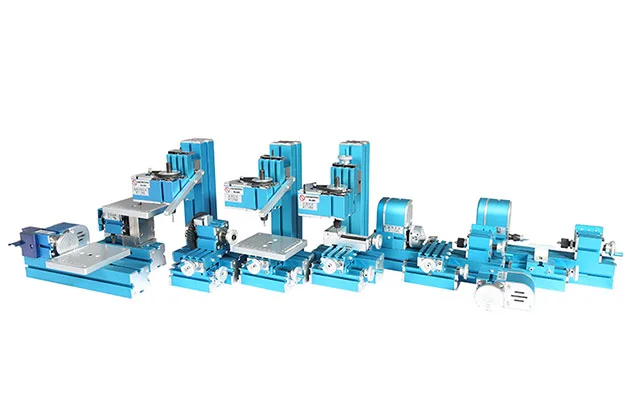
At Xendoll Tools, we understand the passion that drives machinists and makers. While our modern mini lathes and milling machines offer precision and convenience for new projects, we also celebrate the enduring value of well-maintained classic machinery. Whether you’re using a vintage workhorse or a modern Xendoll tool, the potential to create, innovate, and profit is immense. Start with a simple project, connect with your target audience, and turn your workshop into a thriving micro-business today.





 Dec 16, 2025

 1352
1352


 Show all our samples