Blog
Xendoll has 22 years of experience in the production of small machine tools. We will help you choose the suitable machine and share our experience in CNC machining with you.

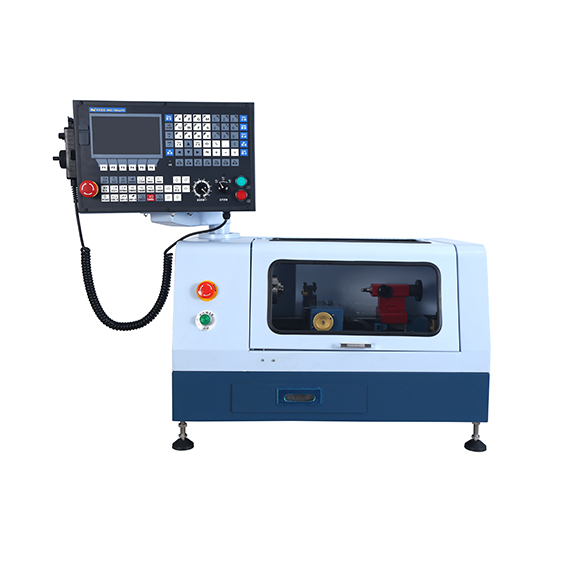
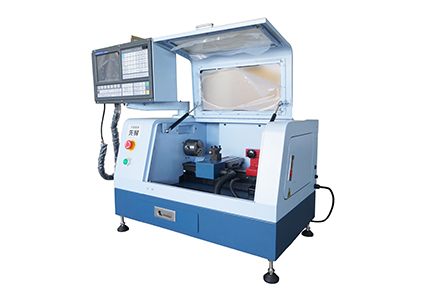
▸High performance 2 axis Lathe CNC controller.| ▸8 inches color screen, interface can be made of parameter selection in both Chinese and English.| ▸The standard spec includes MPG hand wheel.| ▸Selection of high -quality casting materials, more compact, High strength guide way.| ▸Automatic 4 positions tool post.| ▸Controller auto stop work when door open.| ▸High quality 2 axis AC Servor Motor.| ▸USB and RS232 port, DNC function of USB.| ▸Control speed of G code.| ▸Best choice for DIY or Hobby user and Education & Training CNC.|
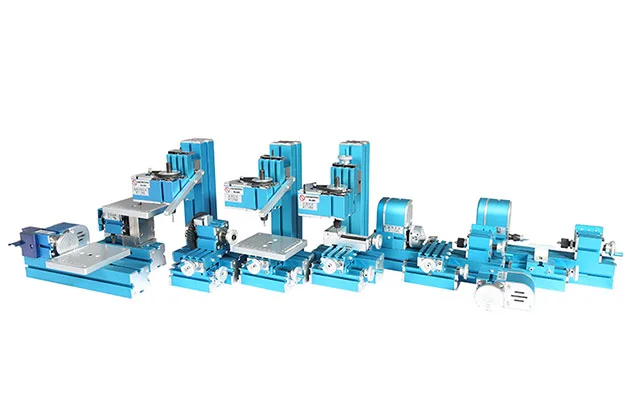
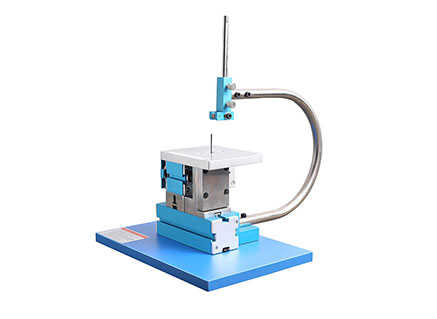
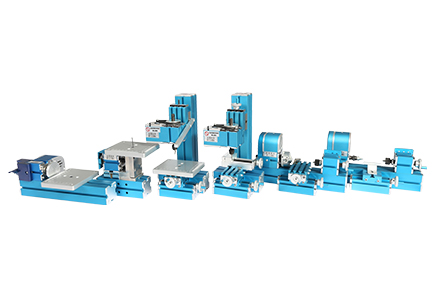
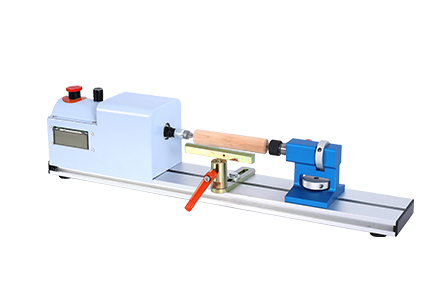
Metal Jigsaw | Metal woodturning Machine| Metal lathe Machine | Metal Milling Machine| Metal Drilling Machine| Metal Sanding Machine| Metal On-hand machine| Metal Drilling machine with dividing attachment


Xendoll has 22 years of experience in the production of small machine tools. We will help you choose the suitable machine and share our experience in CNC machining with you.
 Dec 09, 2025

 1291
1291
The art and science of machining—shaping raw material into precise parts—is a foundational skill powering countless industries and hobbies. For aspiring machinists, makers, and professionals, a common and crucial question arises: What is the best place to learn machining? The truth is, there is no single "best" place. The optimal learning environment depends entirely on your goals, resources, and learning style. The journey from novice to proficient operator can successfully begin in formal institutions, on the factory floor, or even in your own garage. Understanding the landscape of options is the first step to choosing your ideal path.
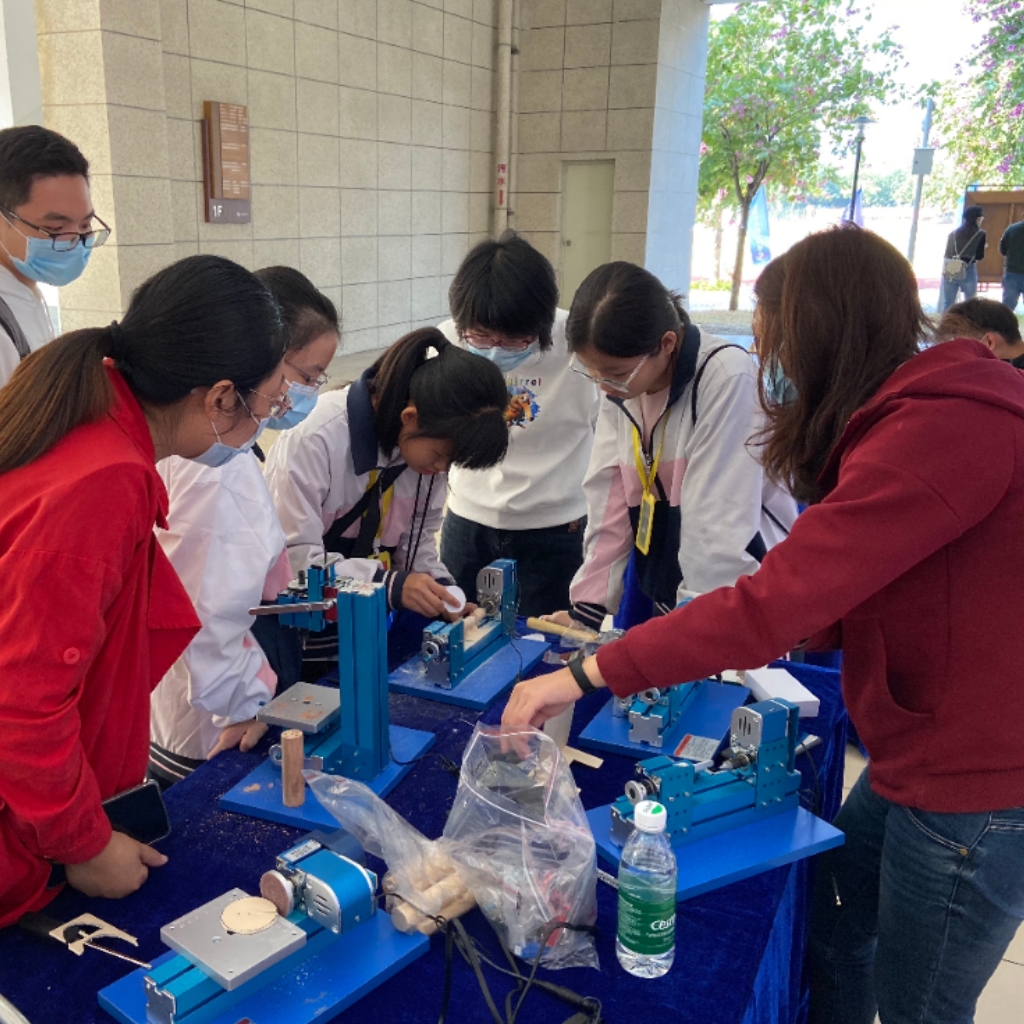
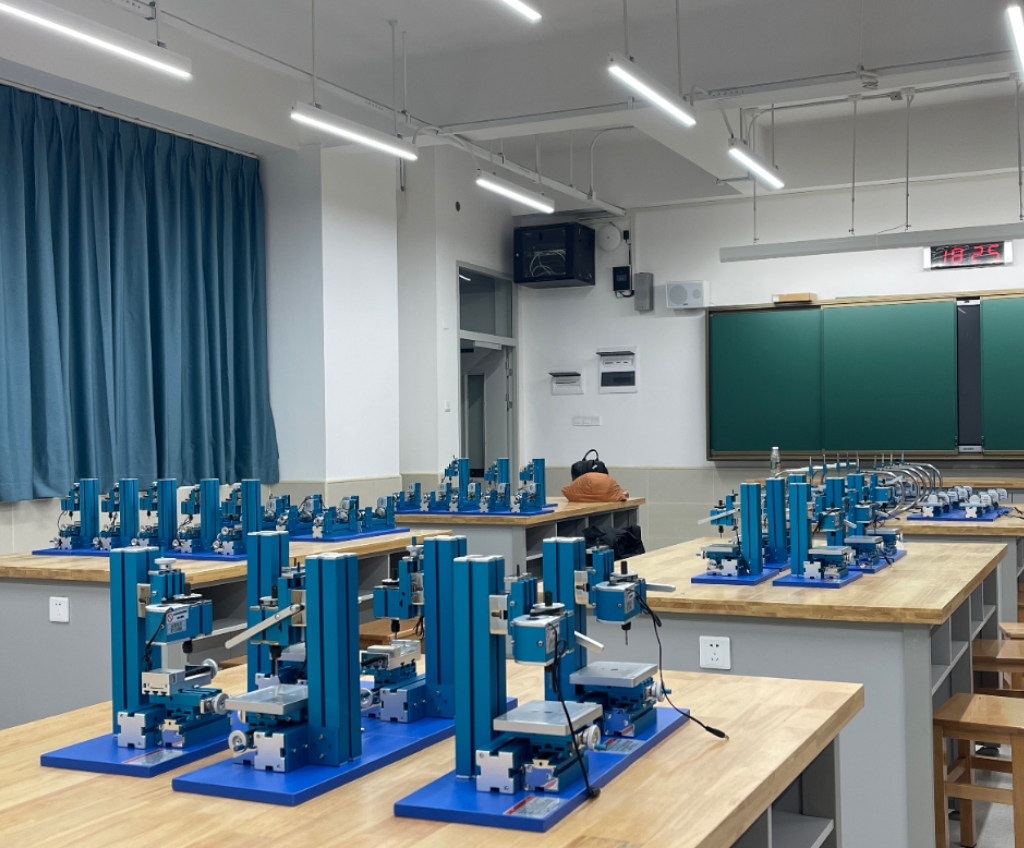
For those seeking a comprehensive, theory-based foundation with a clear career pathway, formal educational institutions are a powerful starting point. Community colleges and technical schools offer structured programs in machining technology, CNC operation, and manufacturing engineering. These courses provide a balanced mix of classroom instruction in mathematics, blueprint reading, and metallurgy, coupled with hands-on lab time. The significant advantages are accreditation, recognized credentials (like certificates or degrees), and access to industrial-grade equipment that might be prohibitively expensive for an individual. Similarly, university engineering programs incorporate machining principles, giving future designers and engineers critical practical insight into manufacturability. These settings are ideal for individuals aiming for professional roles in manufacturing, aerospace, or automotive industries, where formal qualifications and deep theoretical knowledge are highly valued.
The age-old tradition of learning on the job remains one of the most effective methods. Apprenticeships and entry-level positions in machine shops offer immersive, real-world education. Here, learning is direct and immediate: you operate machines, interpret work orders, and solve practical problems under the guidance of experienced mentors. This path emphasizes skill acquisition through repetition, adherence to shop standards, and an understanding of workflow and efficiency. The "best" aspect here is the context—you learn within the constraints, culture, and quality demands of actual production. It builds not just technical skill but also professional discipline. This route is perfect for hands-on learners who thrive by doing and want to earn a wage while they learn, quickly integrating into the industry's workforce.
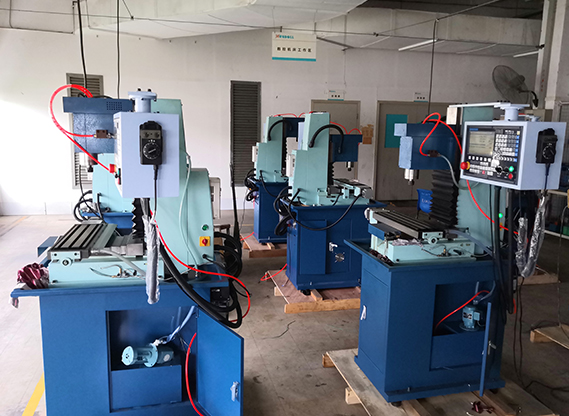
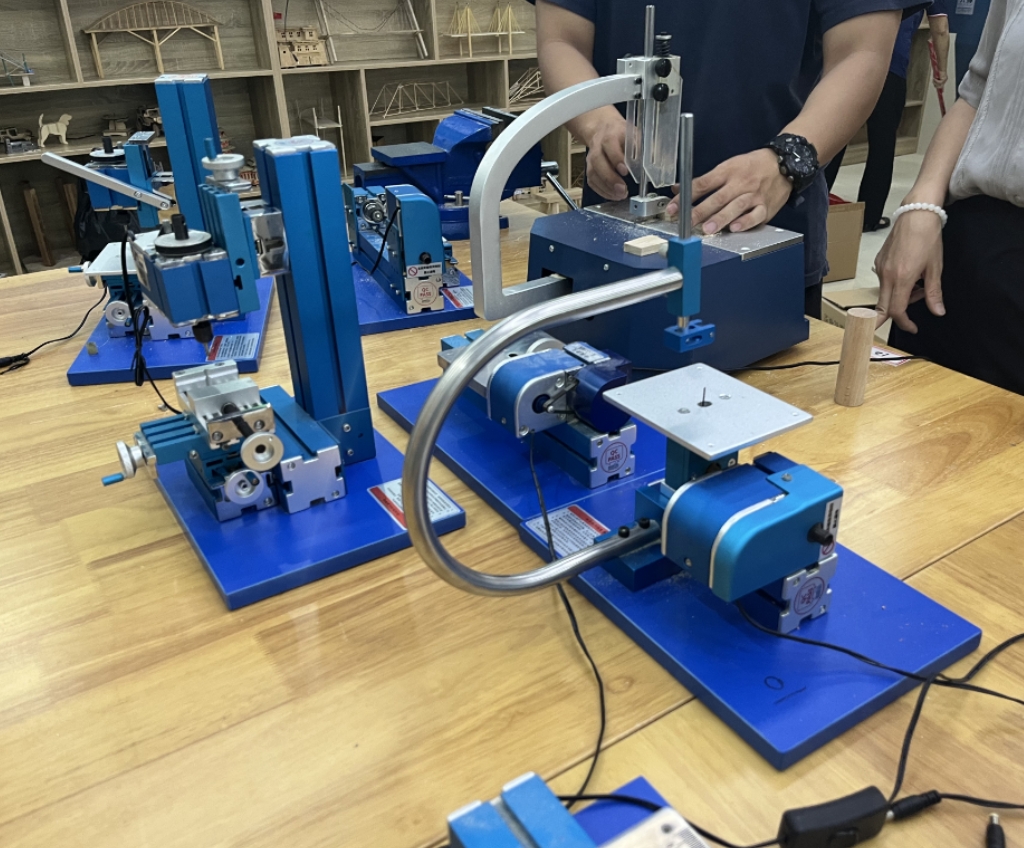
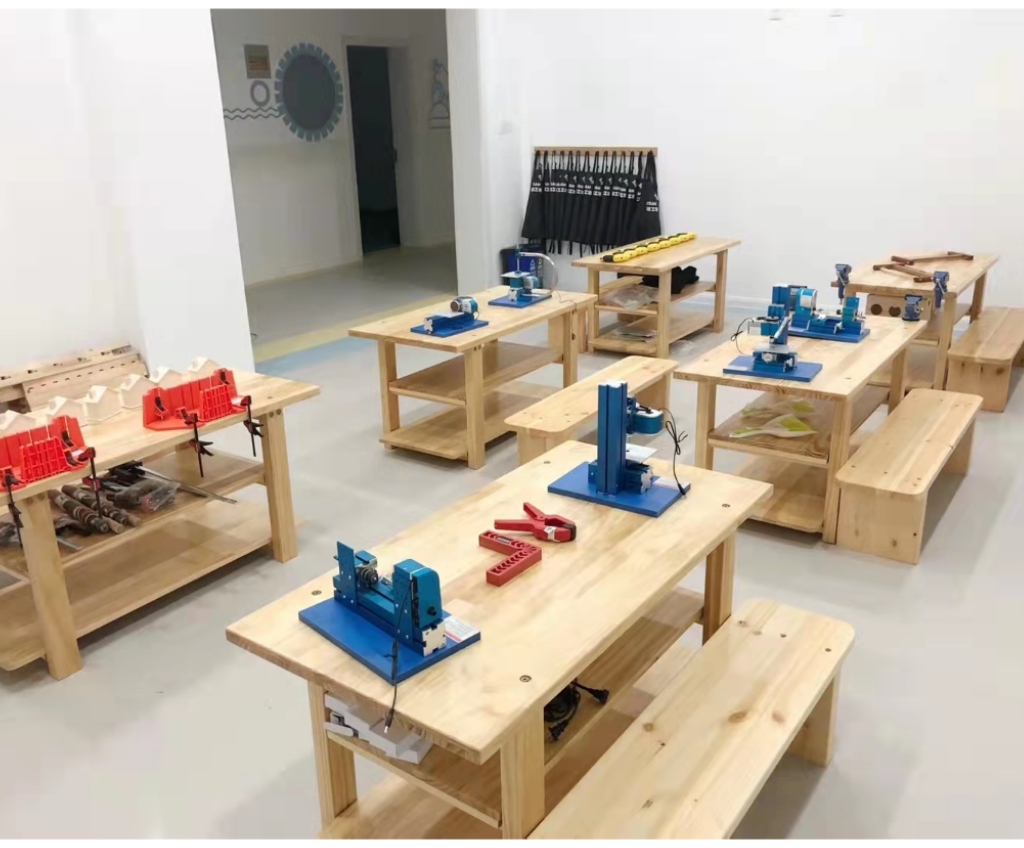
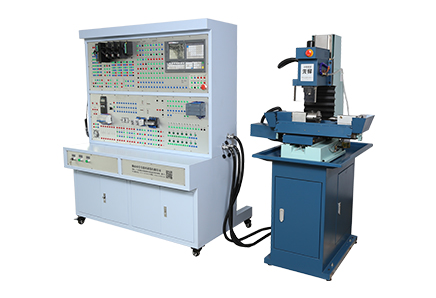
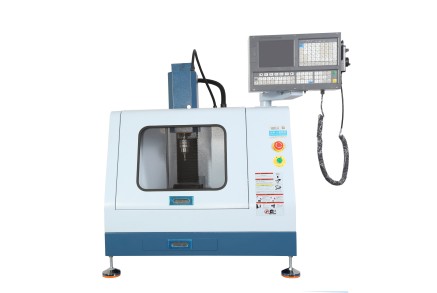
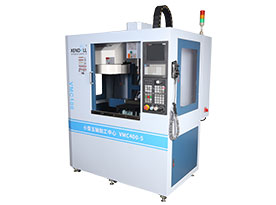
However, the 21st century has democratized access to knowledge. Online platforms and self-directed learning have exploded as viable entry points. YouTube channels, dedicated forums, and paid video courses from seasoned machinists offer an incredible wealth of information—from basic lathe operations to advanced CNC programming. This approach offers maximum flexibility and low upfront cost. You learn at your own pace, revisiting complex topics as needed. The critical limitation, however, is the lack of hands-on practice. This is where the modern home workshop bridges the gap. With the advent of high-quality, accessible mini machining tools—like precision benchtop lathes, milling machines, and compact CNC systems—enthusiasts can build practical skills at home. Brands like Xendoll provide robust, user-friendly equipment that turns a garage or spare room into a potent learning lab. This combination of online knowledge and hands-on practice with mini machine tools is ideal for hobbyists, inventors, and aspiring entrepreneurs. It allows for experimentation, project-based learning, and the deep satisfaction of creating tangible parts from scratch, all on a manageable scale and budget.
So, where is the best place? The answer is personal. For the career-focused student, a technical school provides the essential structure and credentials. For the pragmatic learner seeking immediate industry integration, an apprenticeship is unparalleled. For the curious hobbyist, educator, or independent maker, the powerful synergy of online resources and a well-equipped home workshop is revolutionary.
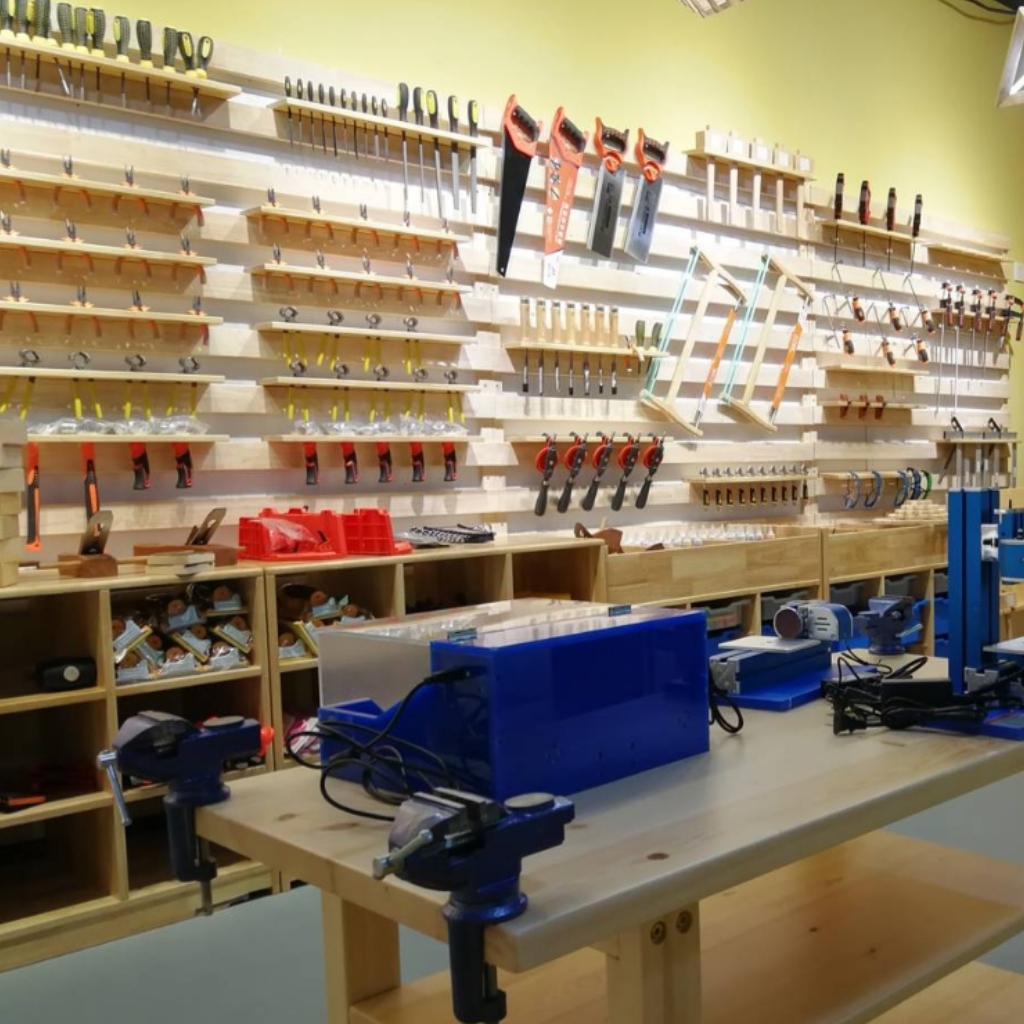
This final path highlights a key enabler: having reliable, precise equipment at home. This is the niche where Xendoll Tools excels. We empower the next generation of machinists and innovators by engineering mini lathes, milling machines, and accessories that combine professional-grade precision with bench-top convenience. Whether you're supplementing your online education, teaching students in a classroom, or prototyping a new invention, our tools are designed to be the reliable cornerstone of your learning journey. The best place to learn machining is ultimately where theory meets practice, and for a growing global community of makers, that place is increasingly at their own workbench, equipped with the right knowledge and the right tools to bring their ideas to life.
Visit xendolltools.com to explore how our precision mini machining tools can define your ideal learning environment.


 Show all our samples
Provide you with a free quote
Answer all the questions you may have
Guided installation and other options
Show all our samples
Provide you with a free quote
Answer all the questions you may have
Guided installation and other options