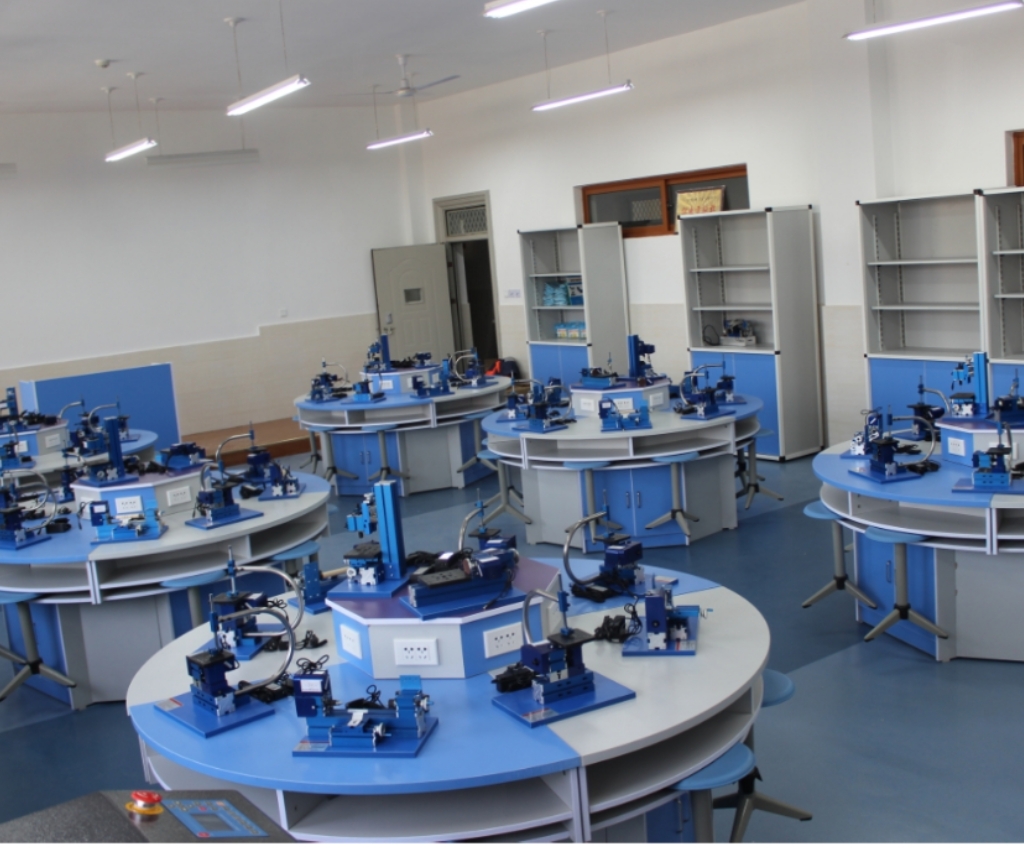
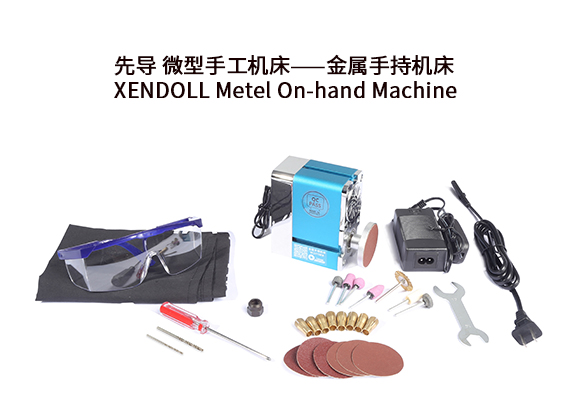
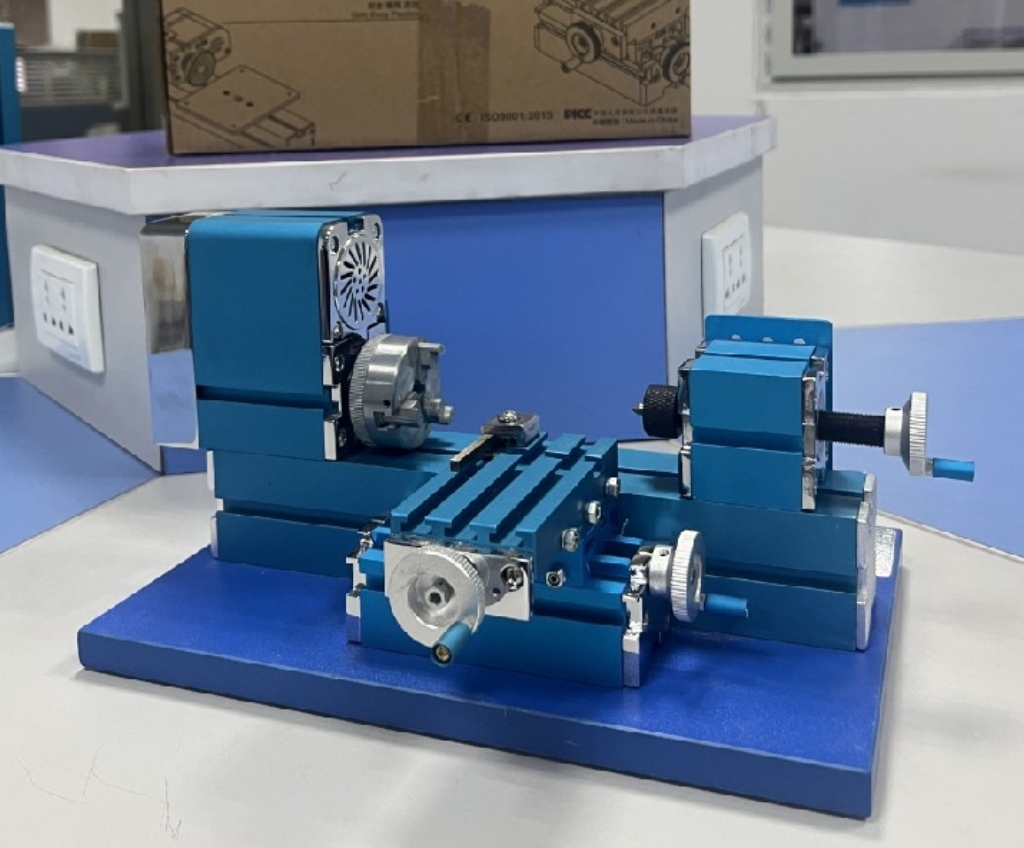
For machinery distributors, educational equipment purchasers, and machining enthusiasts, the question "Is a lathe better than a milling machine?" is a common starting point. However, at XendollTools.com, we view it as a proposition requiring precise definition. The relationship between the two is not a simple matter of superiority but rather akin to the perpendicular X and Y axes in a coordinate system—together, they form the foundational dimensions of modern precision machining. The key to choosing lies in accurately matching your primary machining needs. This article will delve into their fundamental differences to help you make an informed decision.
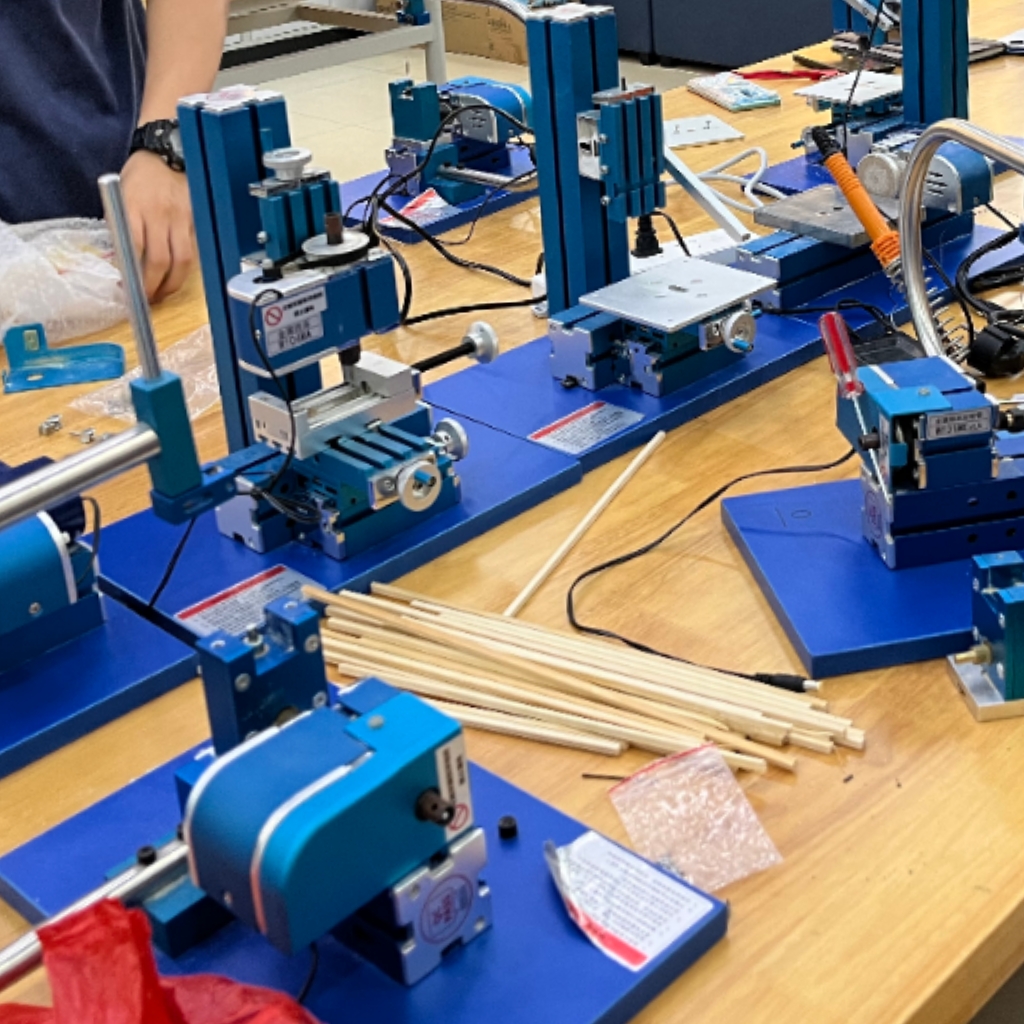
Part 1: The Fundamental Opposition in Machining Logic
The core distinction between a lathe and a milling machine lies in the kinematic relationship between the workpiece and the cutting tool, which defines their inherent realms of capability.
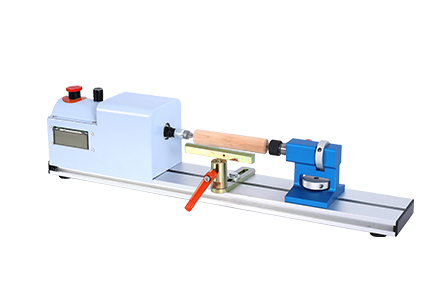
The Lathe: Artist of the Rotating Workpiece
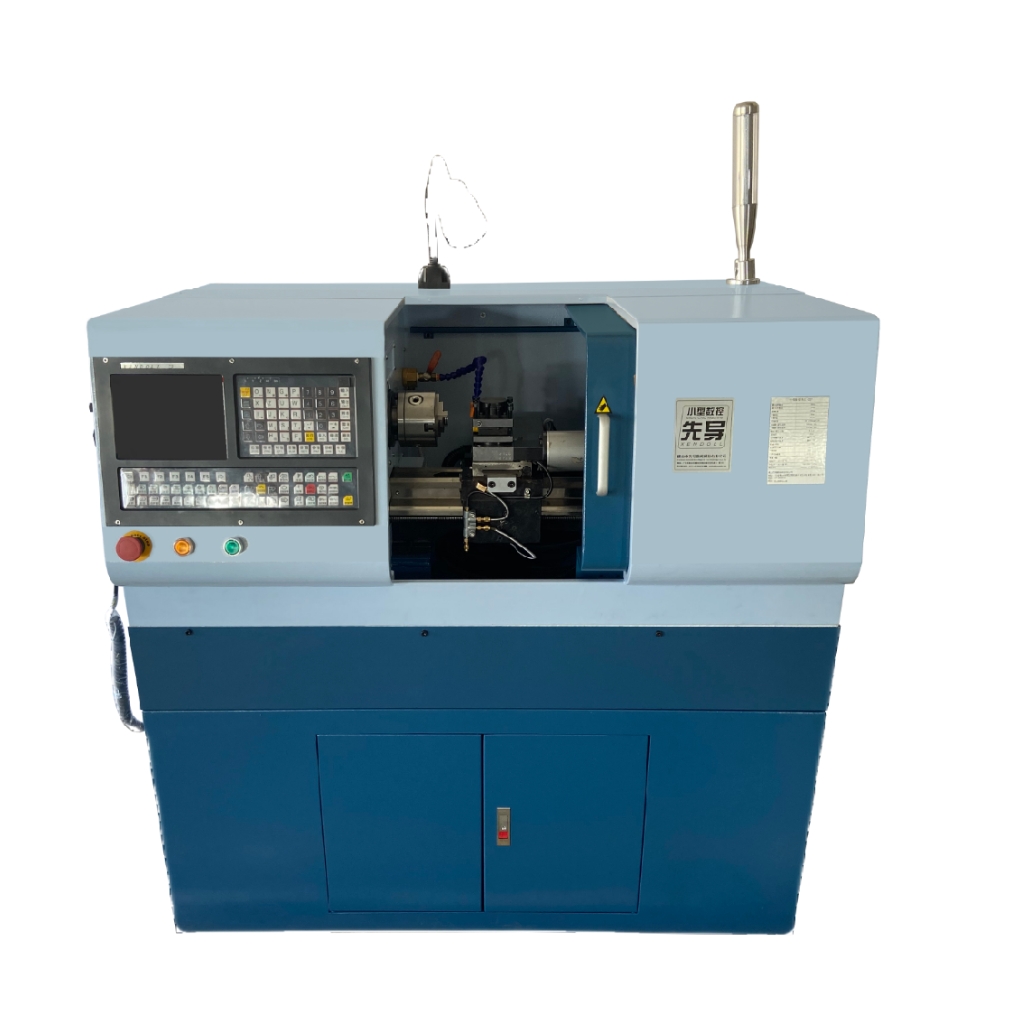
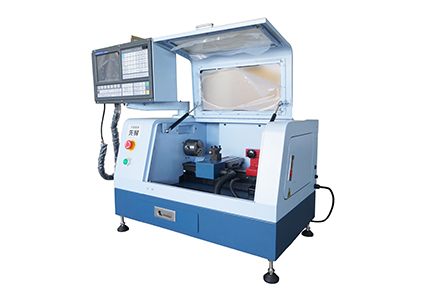
In lathe operation, the workpiece is the rotating subject, while the cutting tool performs linear or compound feed movements. This mode makes it inherently adept at handling rotational or cylindrical features. Whether it's a simple smooth shaft, precision threads, or complex tapers and contoured surfaces, as long as the design revolves around a central axis, a lathe can accomplish it efficiently and with high precision. The surface finish and concentricity it produces are often difficult to replicate by other means.
The Milling Machine: Sculptor with a Rotating Tool
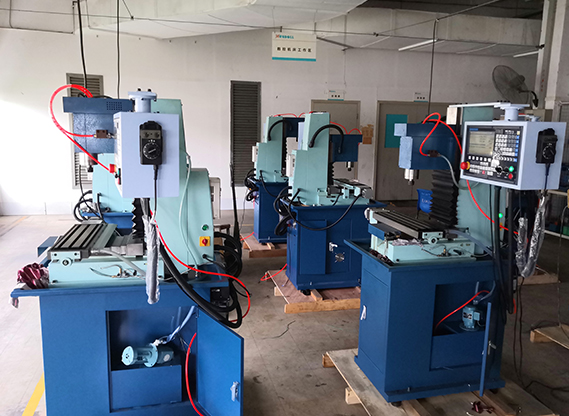
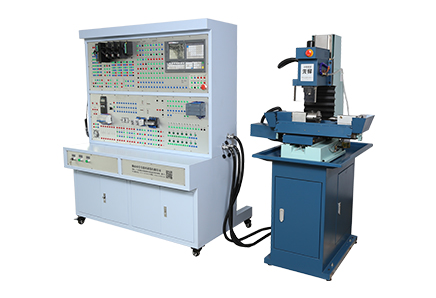
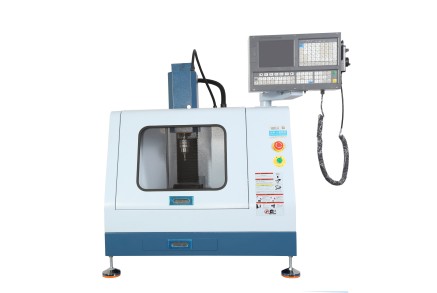
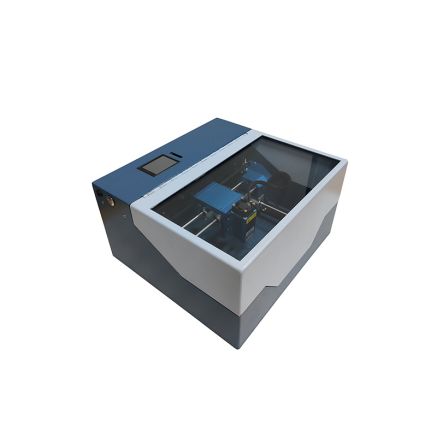
The milling machine operates on the opposite principle: the tool rotates, and the workpiece is fixed to a table that moves in multiple directions. This makes it the absolute master of creating non-rotational features. From milling flat surfaces and cutting grooves to engraving complex 3D contours, gears, or mold cavities, the milling machine, with its diverse tooling and flexible CNC capabilities, can virtually "sculpt" any imaginable geometry.
Part 2: The Scale of Choice: Your Projects Tip the Balance
The scale of "which is better" is entirely weighted by the projects you plan to undertake.
Part 3: Beyond Either/Or: Synergy, Combination, and Entry Strategies
The evolution of a modern workshop often transcends a binary choice.
The Synergy Effect: A complete machining process frequently requires collaboration between both. For instance, a lathe might first create a rough shaft, which is then moved to a milling machine to cut a keyway or flat surface. Possessing both grants true mastery over the complete capability from raw material to finished part.
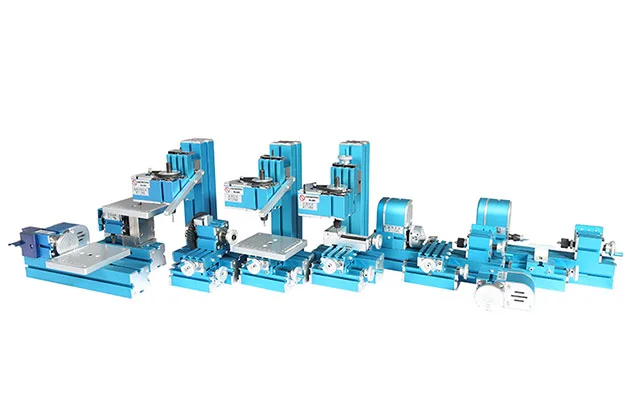
Combination Solutions: For workshops with limited space or budget, a lathe-mill combo machine (like some multifunctional units) offers a compelling and powerful starting point. It integrates primary functions into one device, and while it may not match dedicated standalone machines in extreme performance or efficiency for specific tasks, it vastly expands possibilities.
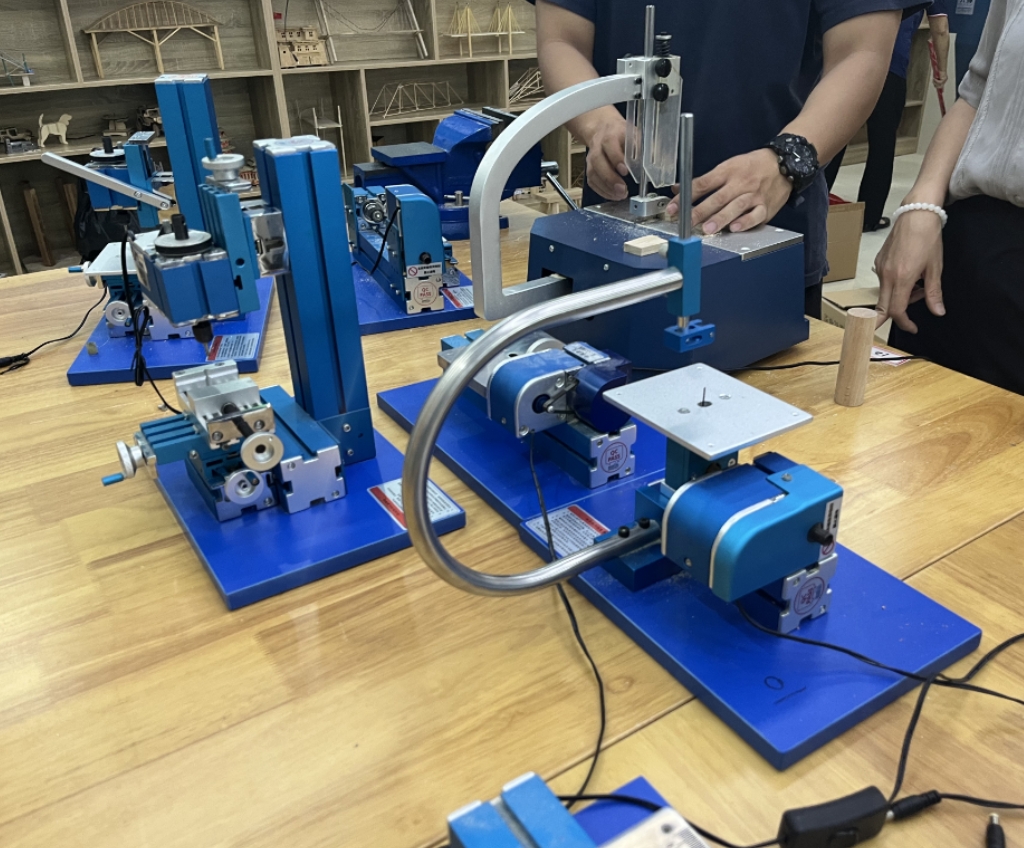
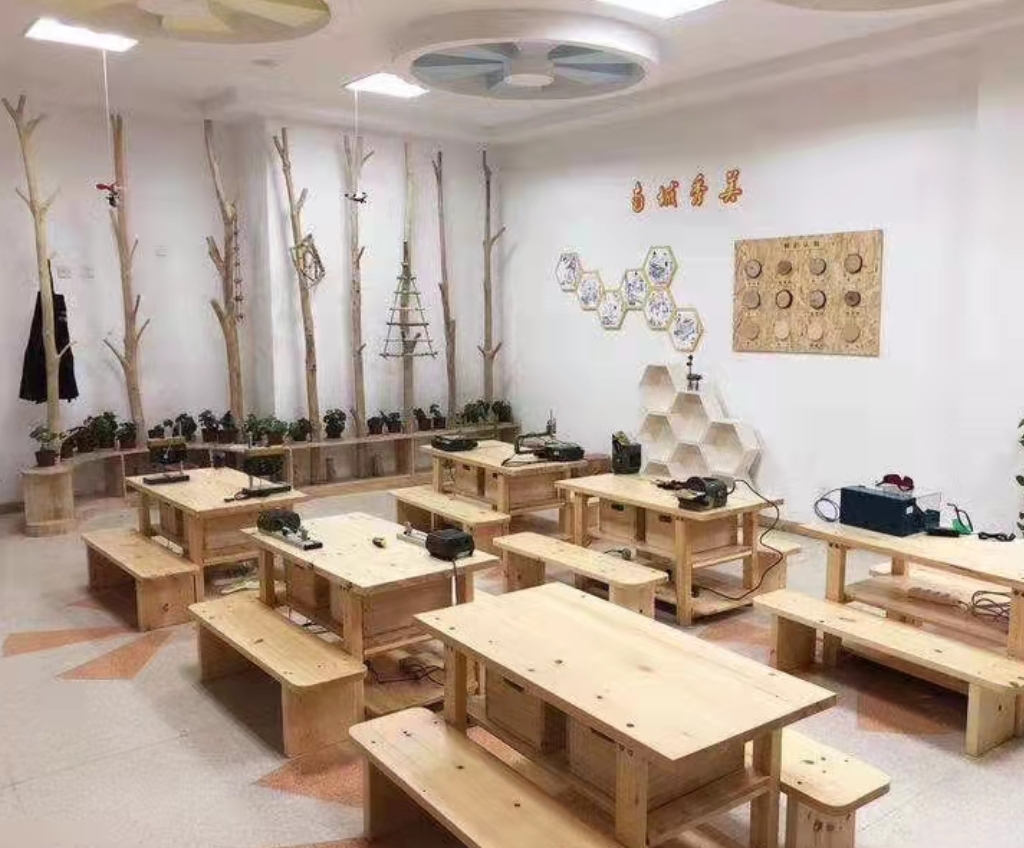
The Entry Path: For educational institutions and beginners, mini lathes are often intuitive to operate and better for building a fundamental feel for metal cutting. However, once more complex designs are involved, a mini milling machine opens the door to greater creativity. Xendoll Tools provides reliable entry-level and advanced equipment options for both of these learning paths.
Conclusion: Define Your "Better," Invest in Your Future
Therefore, between a lathe and a milling machine, there is no absolute "better," only the choice that is "more suitable" for your goals. For overseas distributors, insight into the project types of end-users is key to recommending the correct equipment. For educational institutions, configuring based on the curriculum (focusing on basic metalworking vs. modern manufacturing) maximizes teaching effectiveness. For hobbyists, letting the things you most want to make guide your selection is the most honest approach.
Explore xendolltools.com to discover our range of mini lathes and milling machines meticulously designed for different needs. Let our professional tools become the sturdy bridge between your inspiration and creation, helping you precisely transform material into masterpiece.





 Dec 12, 2025

 1264
1264


 Show all our samples