A lathe machine is one of the most fundamental and versatile tools in machining and manufacturing. Understanding its key components is essential for anyone involved in mechanical work, from professional machinists and educators to hobbyists and equipment dealers. At its core, a lathe operates on the principle of rotating a workpiece against a stationary cutting tool to shape materials like metal, wood, or plastic. Whether you are operating a heavy-duty industrial lathe or a compact mini lathe for precision projects, knowing each part's function enhances safety, efficiency, and machining quality. In this comprehensive guide, we will break down the essential parts of a standard lathe machine, explaining their roles and importance in the machining process.
Main Body
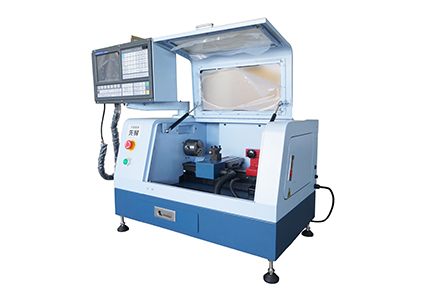
A standard lathe consists of several major components, each playing a critical role in its operation. We can categorize them into the following key systems and parts:
1. The Bed
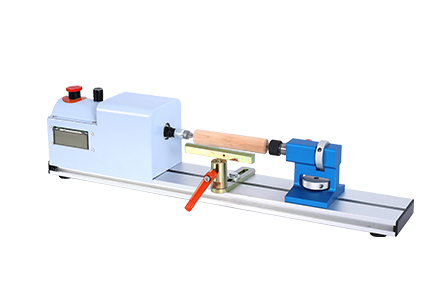
The bed is the robust, elongated base of the lathe, usually made of hardened cast iron. It serves as the foundation, supporting all other major components. Precision-machined guideways or "ways" run along the top of the bed, allowing the carriage and tailstock to move smoothly and accurately along the length of the workpiece. The rigidity and quality of the bed directly influence the machine's overall stability and precision.
2. The Headstock
Mounted on the left end of the bed, the headstock is the powerhouse of the lathe. It houses the main spindle, drive motor, and gearing mechanism. The spindle rotates the workpiece, and its speed can often be adjusted via a control panel or gear levers. The headstock's precision bearings are crucial for minimizing vibration and ensuring true rotation, which is vital for achieving accurate dimensions and a fine surface finish.
3. The Chuck
Attached to the headstock spindle, the chuck is the device that actually holds the workpiece. The most common type is the three-jaw self-centering chuck, ideal for cylindrical stock. For irregular shapes, a four-jaw independent chuck is used, where each jaw can be adjusted separately. Collets, offering higher precision for smaller diameters, are also widely used, especially in mini lathes and for toolmaking.
4. The Tailstock
Situated on the opposite end of the bed from the headstock, the tailstock is a movable unit that provides additional support for long workpieces. It can be locked at any point along the bed. Its primary components are the quill and a handwheel for advancing it. The tailstock often holds centers (like a live or dead center) for supporting the workpiece or tools such as drill bits or reamers for performing axial operations.
5. The Carriage
The carriage is the assembly that moves the cutting tool along the bed. It consists of several sub-parts:
Saddle: Rides along the bed ways.
Cross Slide: Mounted on the saddle, it moves the tool perpendicular to the workpiece axis.
Compound Rest: Sits atop the cross slide and can be swiveled to any angle for taper turning.
Tool Post: Mounted on the compound rest, it securely clamps the cutting tool holder or the tool itself.
6. The Feed and Lead Screw Mechanism
This system transmits power from the headstock to the carriage to automate the longitudinal or transverse movement of the tool. The feed rod provides power for regular turning operations, while the lead screw is a precision-threaded rod used specifically for cutting threads. Control levers allow the operator to engage manual or powered feed and select the direction.
7. The Apron
Attached to the front of the carriage, the apron contains the gears, clutches, and levers that control the feed mechanisms. It converts the rotation of the feed rod or lead screw into linear motion of the carriage. The handwheel for manual carriage movement is also located here.
8. The Tool Post & Cutting Tool
This is where the actual cutting action is defined. The tool post holds the cutting tool or tool holder firmly in place. The shape, material (HSS, carbide, etc.), and geometry of the cutting tool are selected based on the material being machined and the desired operation (facing, turning, parting, threading).
9. The Coolant System
Many lathes, especially industrial models, feature a coolant system. It pumps cutting fluid to the tool-workpiece interface to reduce heat, improve tool life, wash away chips, and achieve a better surface finish.
Conclusion
In summary, a lathe machine is a sophisticated assembly of interdependent parts, each engineered to perform specific functions that collectively enable precise material shaping. From the foundational bed and powerful headstock to the supportive tailstock and versatile carriage, mastering the knowledge of these components is the first step toward safe and proficient lathe operation. For mechanical dealers, this knowledge helps in providing better customer support. For educators, it forms the core of technical training. And for machining enthusiasts and professionals, it is indispensable for unlocking the full potential of their equipment.
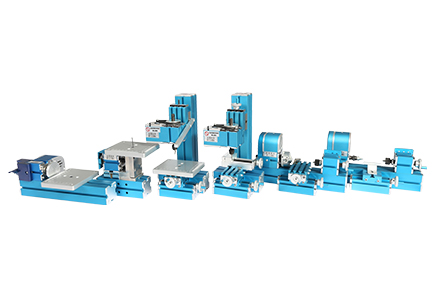
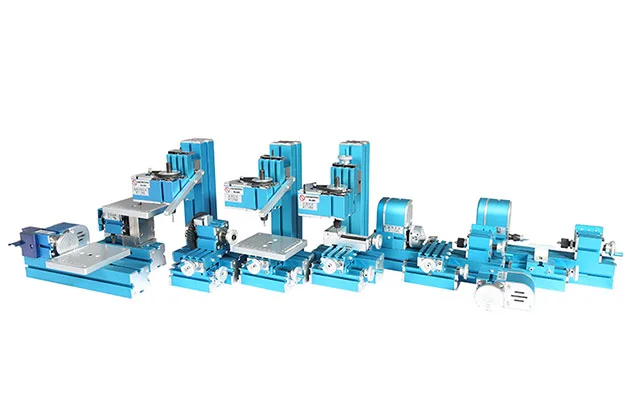
At Xendoll Tools, we understand that the quality of each component defines the machine's capability. Our range of mini lathes and accessories is designed with precision, durability, and user-friendly operation in mind, ensuring that every part—from the spindle to the tool post—delivers reliable performance for workshops, educational institutions, and hobbyists worldwide. Explore our products at xendolltools.com to find the perfect tools that bring your machining projects to life.





 Jan 07, 2026

 1318
1318


 Show all our samples