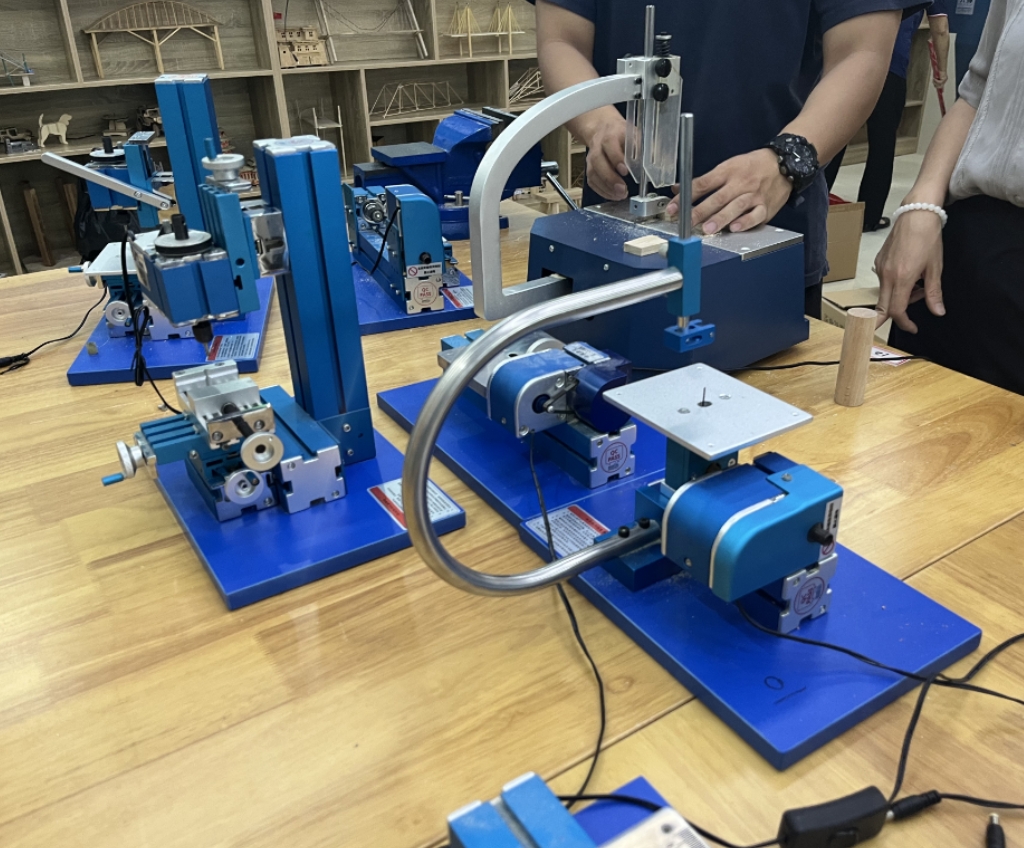
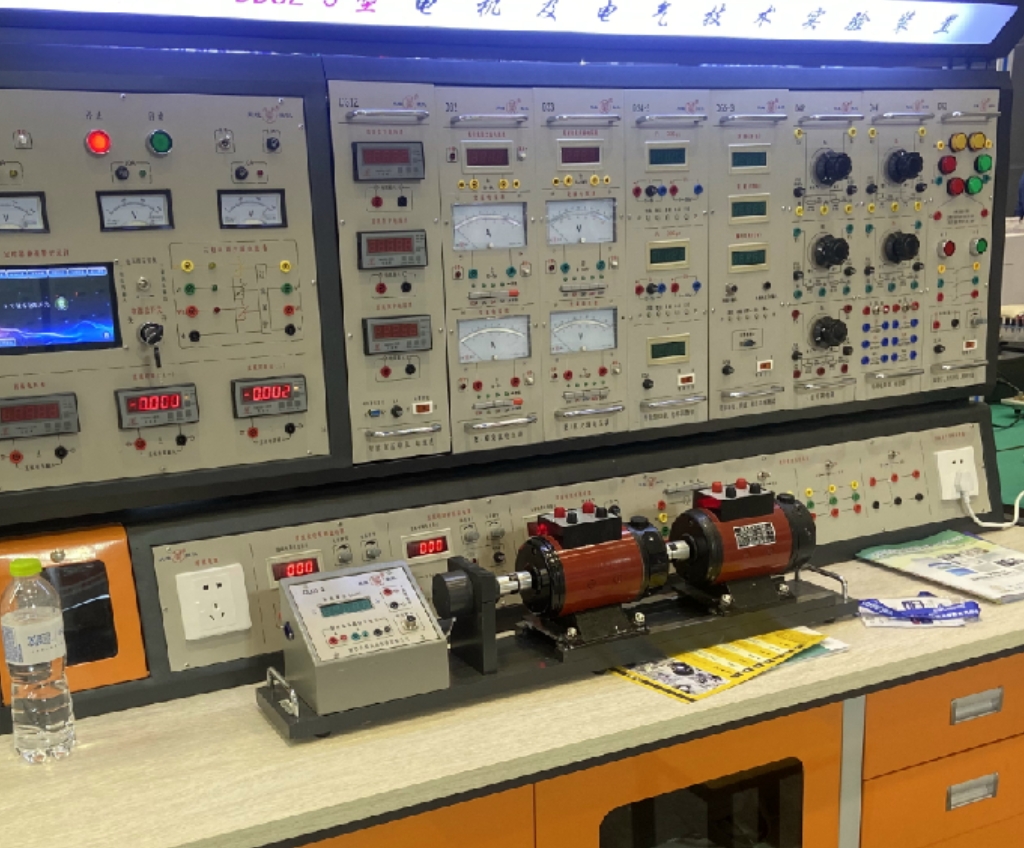
When selecting workshop equipment for resale, education, or hobbyist use, understanding how centre lathes and milling machines are specified is crucial. Specifications determine a machine’s capabilities, accuracy, and suitability for specific tasks. For dealers and users alike, these technical details guide purchasing decisions, ensure compatibility with intended applications, and help maximize return on investment. This article breaks down the key parameters used to specify both centre lathes and milling machines, empowering you to make informed choices whether you’re stocking inventory, setting up a training lab, or expanding a home workshop.
Specifying Centre Lathes
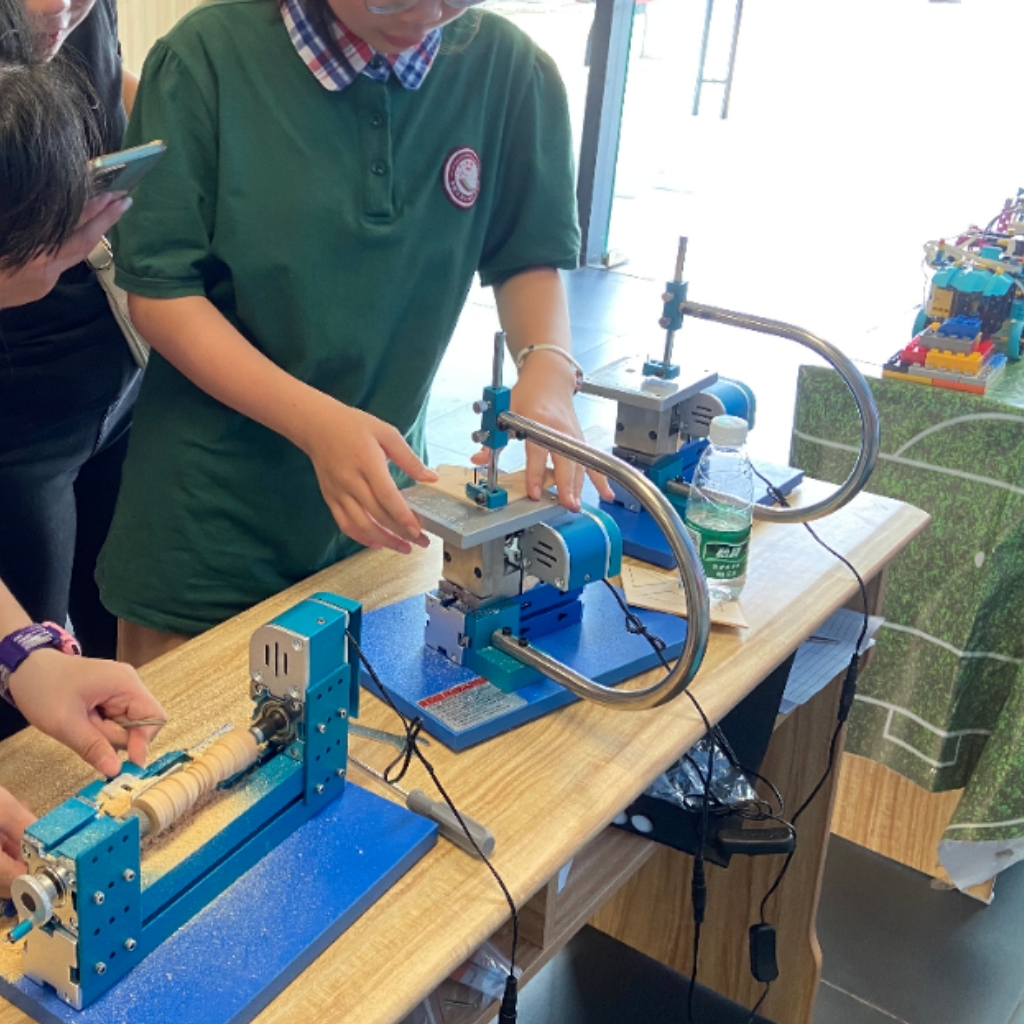
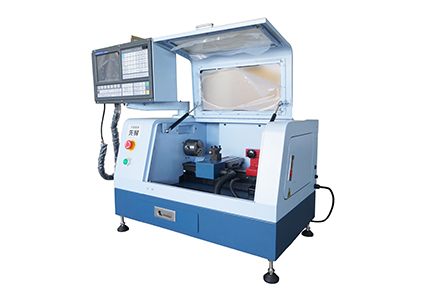
Centre lathes are primarily defined by their capacity and power, which outline the scope of work they can handle. Key specifications include:
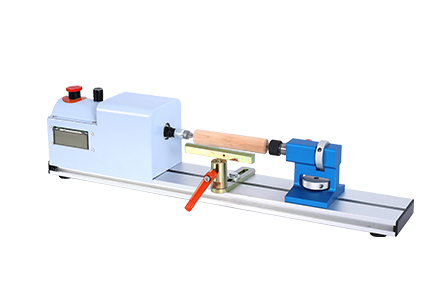
Swing Over Bed and Distance Between Centres: The "swing" is the maximum diameter of workpiece that can rotate over the bed (e.g., 10-inch swing). The distance between centres (e.g., 24 inches) indicates the maximum length of a workpiece that can be mounted between the headstock and tailstock. For mini lathes common in education and hobbyist markets, these dimensions are compact yet versatile for small parts and prototypes.
Spindle Specifications: This includes the spindle bore size (through-hole diameter), the type of mounting (e.g., threaded nose or cam-lock), and most importantly, the spindle speed range (e.g., 50-2500 RPM). A wide speed range allows for working with different materials, from slow speeds for steel to high speeds for aluminum and plastics. Horsepower (HP) or wattage of the spindle motor defines cutting power; mini lathes typically range from 1/2 HP to 1 HP.
Precision and Feed Features: The accuracy of a lathe is vital. Specifications cover the thread cutting range (metric and imperial threads it can produce) and the feed rates. The bed construction (e.g., flat or V-way) influences rigidity and long-term accuracy. For precision models, look for tolerances and repeatability metrics.
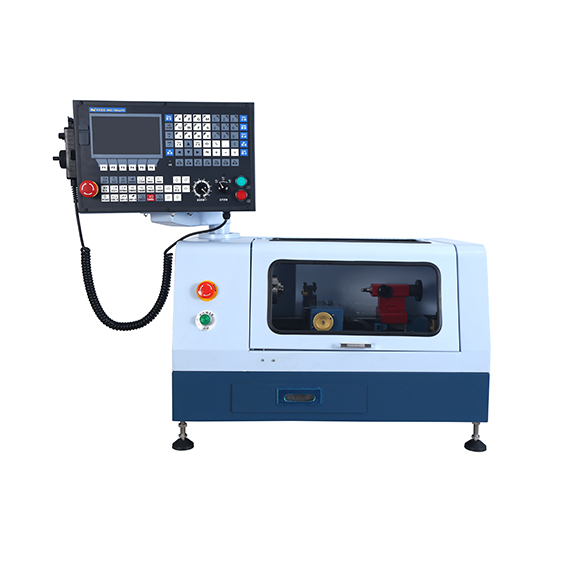
Control System: Traditional centre lathes use manual controls via handwheels and gear levers. However, specifications may also include digital readouts (DROs) for precise measurement, a highly valued feature for improving accuracy and efficiency.
Specifying Milling Machines
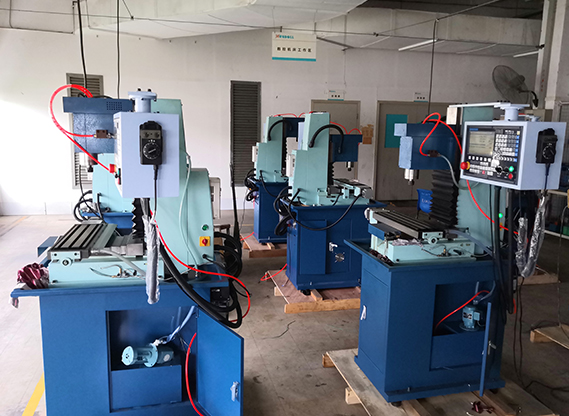
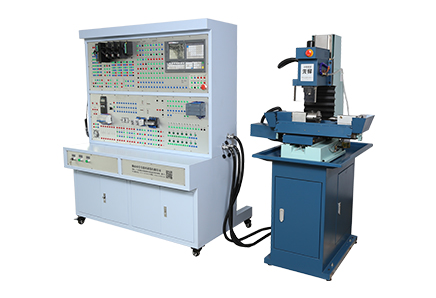
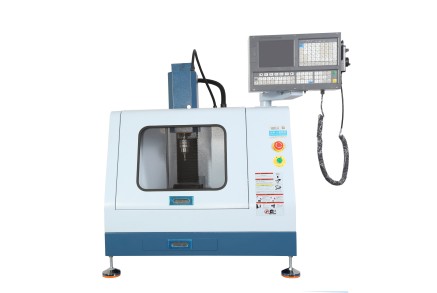
Milling machine specifications focus on table capacity, spindle movement, and rigidity to handle various cutting operations.
Table Size and Travel: The worktable dimensions (length x width) and its travel limits (X, Y, and Z-axis movement) define the maximum workpiece size and the area the cutter can reach. A key related metric is the distance from spindle to table, which sets the maximum workpiece height.
Spindle System: The spindle taper (common types: R8, MT3, or ISO collets) determines the tool-holding system. Spindle speed range (e.g., 100-3000 RPM) and motor power are critical, with benchtop milling machines for hobbyists offering lower power (often 1-2 HP) compared to industrial models. Spindle nose type (e.g., quill or fixed) and quill travel are also specified for vertical mills.
Precision and Construction: Look for specifications like table load capacity, the type of column (round or dovetail), and the construction material (cast iron offers best vibration damping). Precision is indicated by parameters such as leadscrew pitch and the potential backlash in movement axes. Accuracy and repeatability figures, when provided, are gold standards.
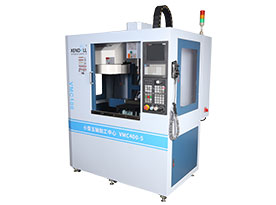
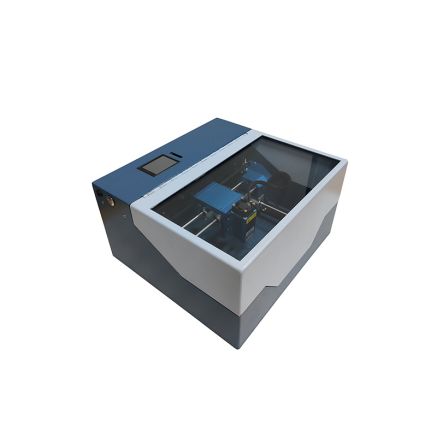
Control and Features: Like lathes, milling machines are manual, but may feature power feed on one or more axes. Specifications for more advanced models include CNC readiness or integrated CNC control systems, detailing software compatibility and drive types (stepper or servo motors).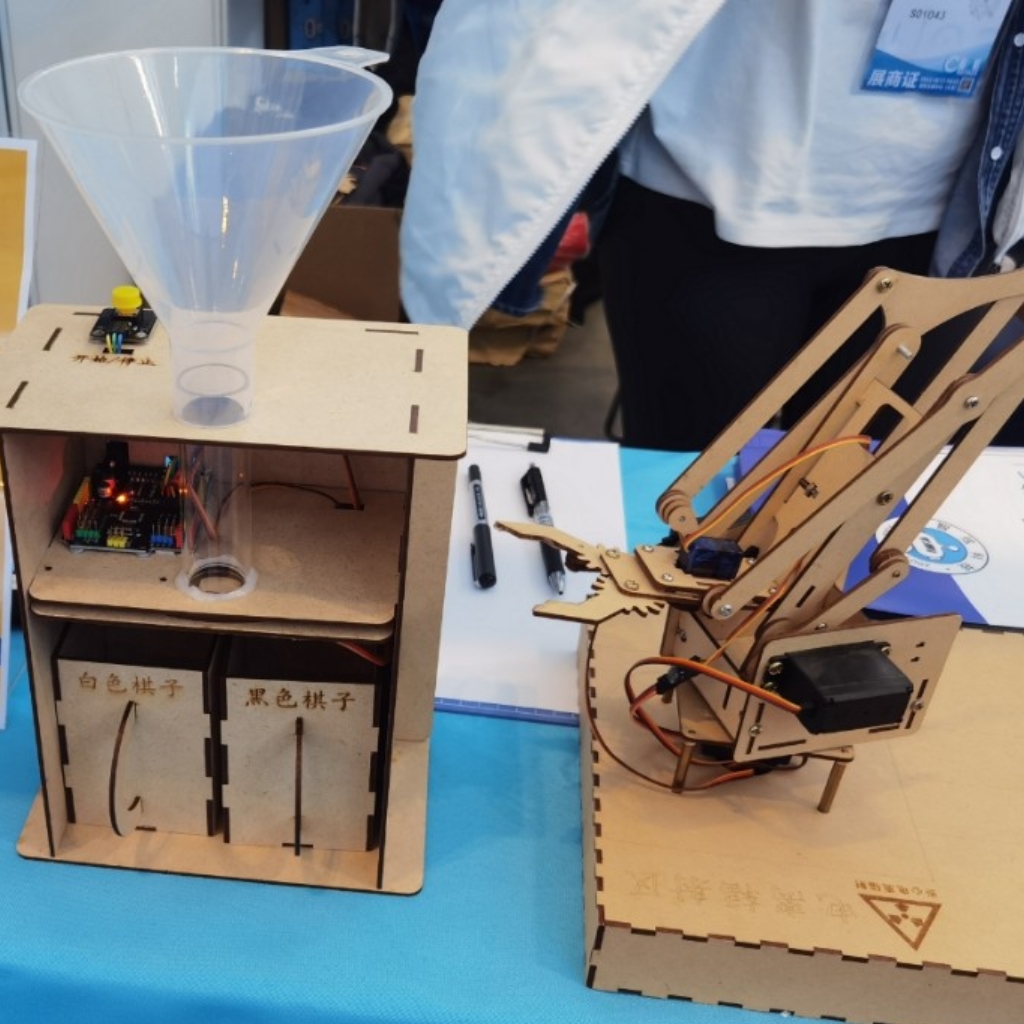
Conclusion: Matching Specifications to Your Needs
Understanding these specifications allows you to match the right machine to the application. For overseas mechanical dealers, emphasizing robust construction, standard taper types, and clear precision metrics in your product literature can help customers. For educational equipment dealers, safety features, ease of use, moderate power, and a good speed range for diverse materials are key selling points for training environments. Hobbyists and machining enthusiasts often seek the best balance of compact size, precision features like DROs, and versatility within a budget.
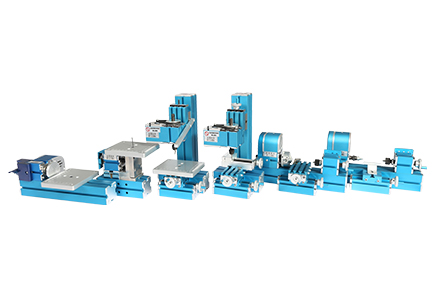
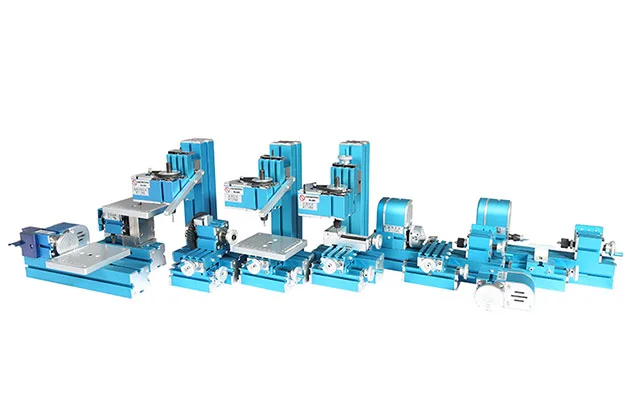
In essence, specifying centre lathes and milling machines is about decoding their language of capacity, power, precision, and control. By focusing on these core parameters, you can effectively evaluate equipment for resale, procurement, or personal use, ensuring it meets the practical demands of the workshop. For a detailed look at our range of mini lathes and milling machines, each designed with clear specifications for reliability and performance, explore our product catalog at xendolltools.com.





 Dec 29, 2025

 1314
1314


 Show all our samples