Blog
Xendoll has 22 years of experience in the production of small machine tools. We will help you choose the suitable machine and share our experience in CNC machining with you.

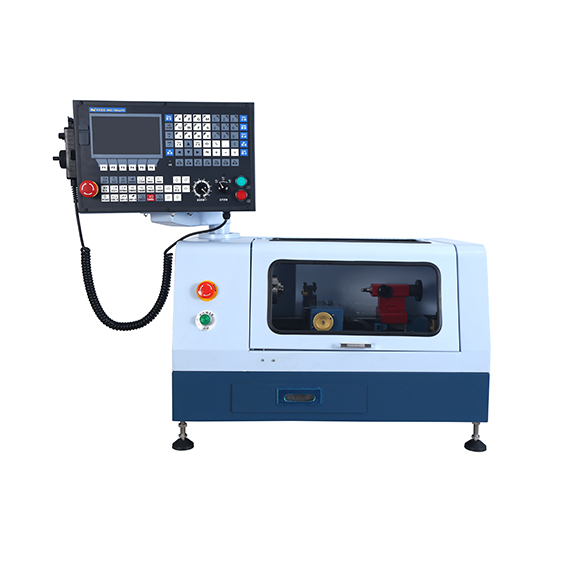
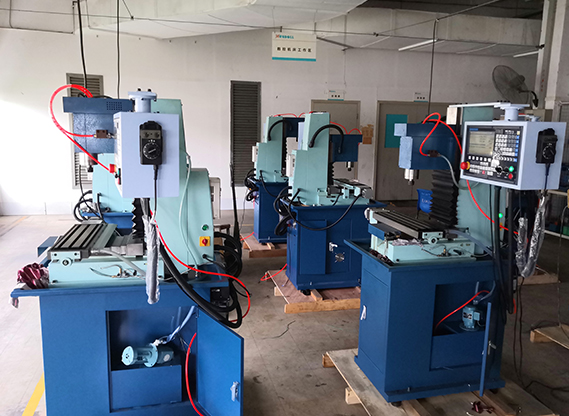
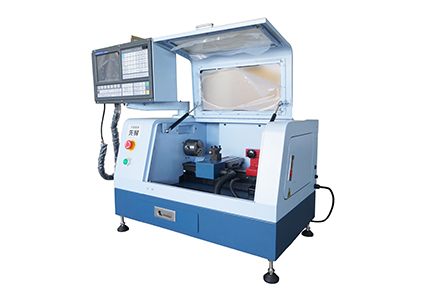
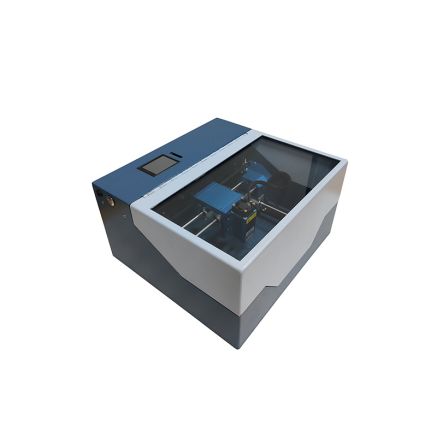
▸High performance 2 axis Lathe CNC controller.| ▸8 inches color screen, interface can be made of parameter selection in both Chinese and English.| ▸The standard spec includes MPG hand wheel.| ▸Selection of high -quality casting materials, more compact, High strength guide way.| ▸Automatic 4 positions tool post.| ▸Controller auto stop work when door open.| ▸High quality 2 axis AC Servor Motor.| ▸USB and RS232 port, DNC function of USB.| ▸Control speed of G code.| ▸Best choice for DIY or Hobby user and Education & Training CNC.|
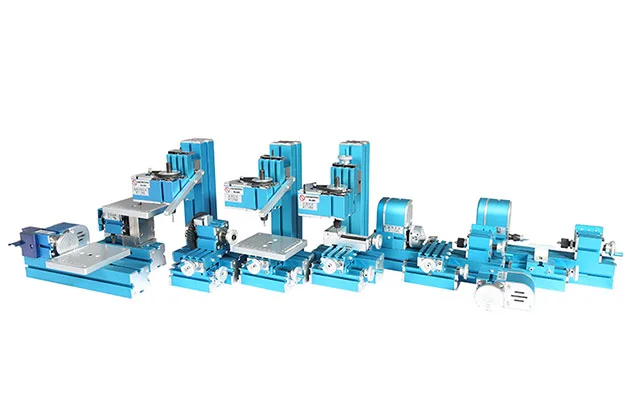
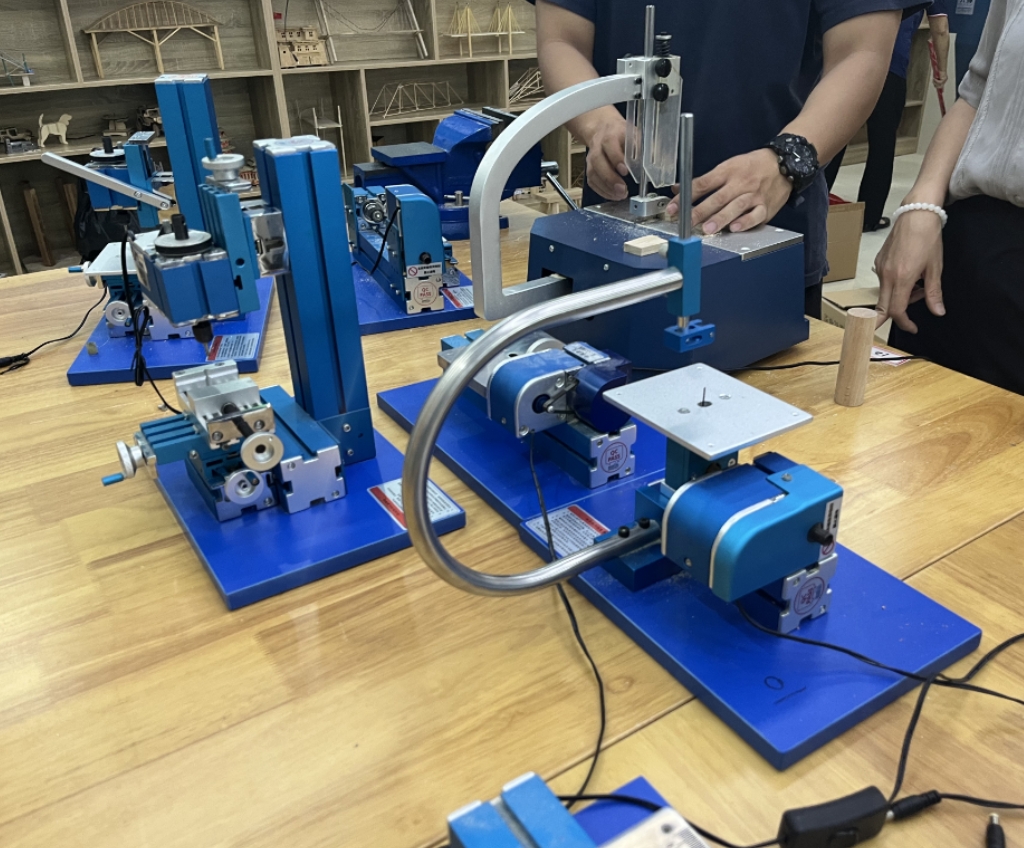
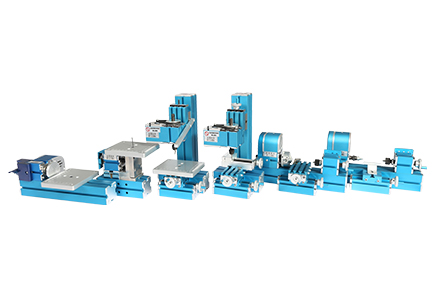
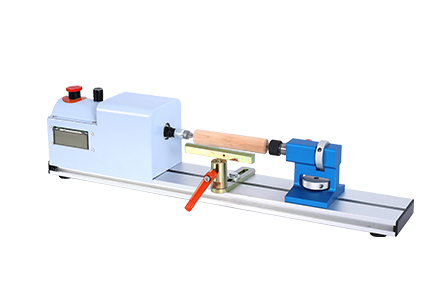
Metal Jigsaw | Metal woodturning Machine| Metal lathe Machine | Metal Milling Machine| Metal Drilling Machine| Metal Sanding Machine| Metal On-hand machine| Metal Drilling machine with dividing attachment


Xendoll has 22 years of experience in the production of small machine tools. We will help you choose the suitable machine and share our experience in CNC machining with you.
 Dec 23, 2025

 1360
1360
The feed rod is an essential component in a lathe machine, often overlooked by beginners but highly valued by experienced machinists. It serves as the backbone for automating and controlling the movement of the cutting tool, enabling precise, consistent, and efficient machining operations. For mini-lathes—like those used by hobbyists, educational institutions, and small workshops—understanding the feed rod’s role can unlock greater productivity and improved results. This article explains the purpose, mechanics, and practical applications of the feed rod in lathe operations.
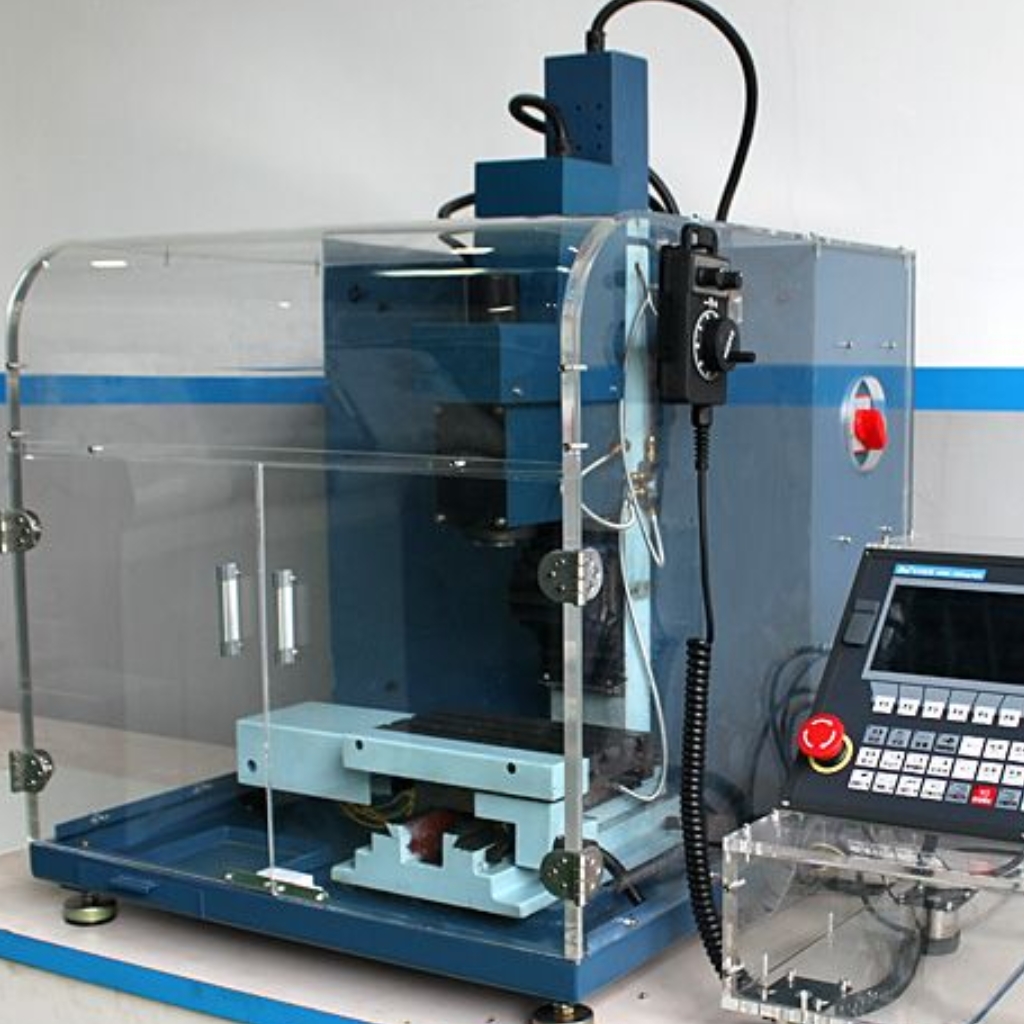
1. Automating Longitudinal and Cross-Feeds
The primary function of the feed rod is to automate the tool’s movement along the workpiece (longitudinal feed) or perpendicular to it (cross-feed). By engaging the feed rod, operators can achieve smooth, continuous motion instead of manually cranking the tool—a feature crucial for producing uniform surfaces and reducing human error.
2. Enabling Thread Cutting Operations
In conjunction with the lead screw, the feed rod facilitates thread cutting. It transmits power from the lathe’s gearbox to the carriage, allowing the tool to follow a precise helical path. For mini-lathes used in model engineering or educational demos, this enables the creation of accurate metric or imperial threads.
3. Controlling Feed Rates for Consistency
The feed rod allows machinists to set specific feed rates—the speed at which the tool advances along the workpiece. Consistent feed rates are vital for achieving desired surface finishes, managing chip formation, and extending tool life. This is especially important when working with materials like aluminum, brass, or steel on smaller lathes.
4. Enhancing Safety and Reducing Operator Fatigue
Manual tool movement can lead to uneven pressure and increased physical strain. By mechanizing the process, the feed rod minimizes operator fatigue and reduces the risk of errors that could damage the workpiece or machine. This makes it invaluable for extended machining sessions in home workshops or training environments.
In mini-lathes, the feed rod is typically a powered shaft that runs parallel to the lathe bed. It connects to the gearbox, which adjusts feed speed and direction, and transfers motion to the carriage via gears or clutches. Users can disengage the feed rod for manual operations, offering flexibility for detailed or unconventional tasks.
For instance, when facing a part’s end, the cross-feed driven by the feed rod ensures a flat, smooth finish. Similarly, during turning operations, the longitudinal feed helps maintain consistent diameter reduction along the workpiece length. The feed rod’s integration with quick-change gearboxes in modern mini-lathes simplifies switching between threading and standard feeding modes.
Hobbyists & DIY Enthusiasts: The feed rod allows hobbyists to focus on monitoring cuts rather than manual adjustments, making projects like crafting custom bolts or turning precise bushings more enjoyable and less tedious.
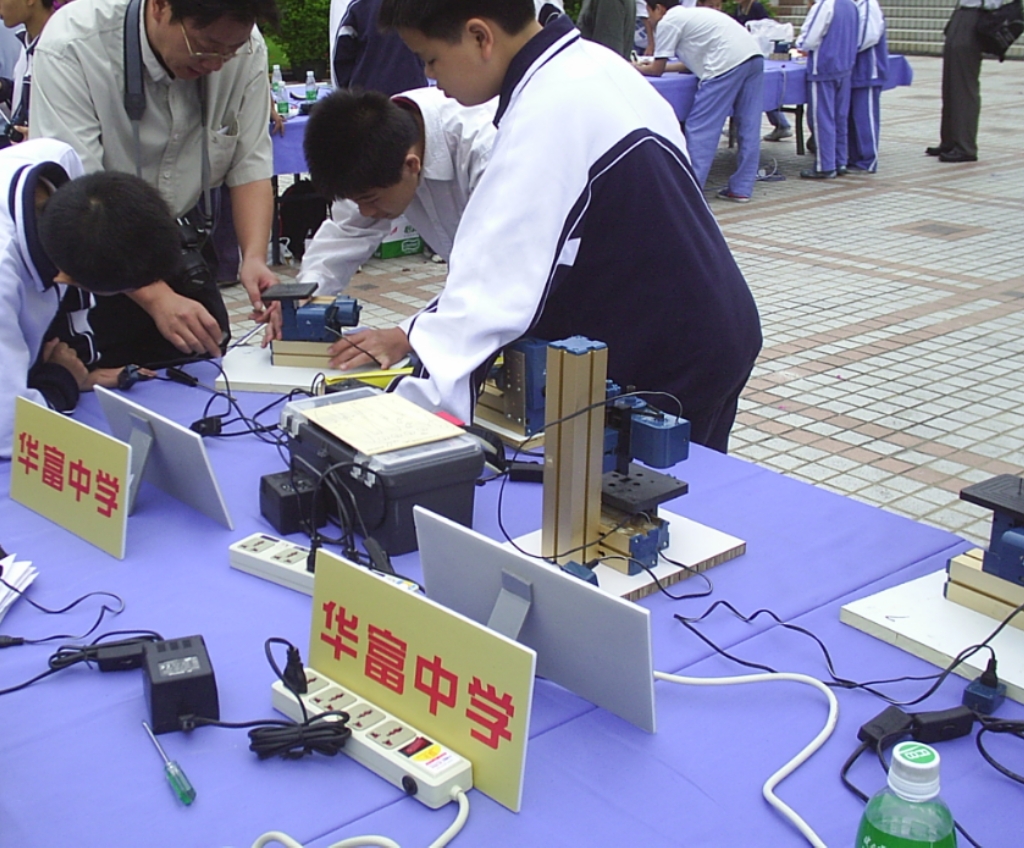
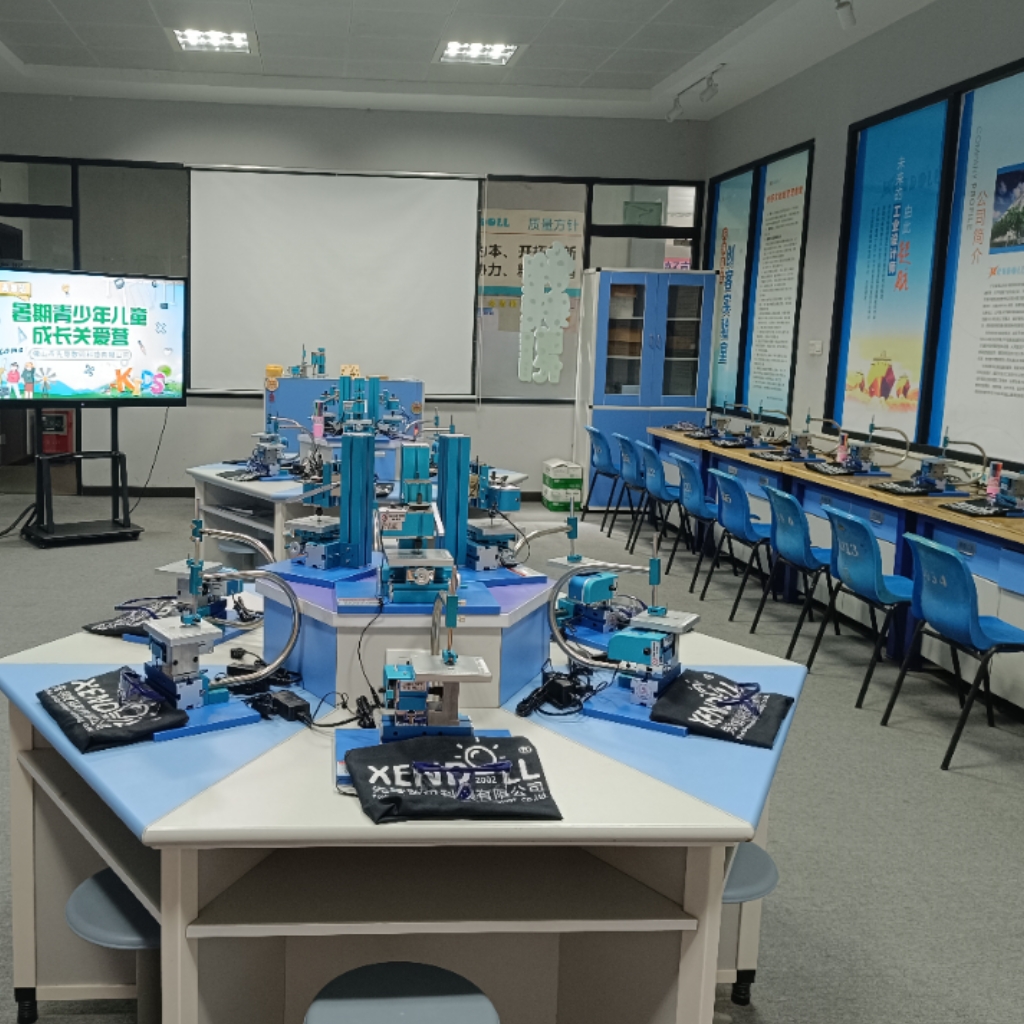
Educational & Training Facilities: In teaching environments, the feed rod demonstrates fundamental machining principles—such as feed/speed relationships—while ensuring student safety through controlled, repeatable operations.
Small-Scale Manufacturers: For low-volume production runs, automating feeds via the feed rod improves consistency part-to-part and reduces machining time, increasing output without sacrificing quality.
The feed rod in a lathe is far more than just a mechanical link—it is a gateway to precision, efficiency, and repeatability in machining. By automating tool movement, enabling threading, and ensuring consistent feed rates, it empowers users of mini-lathes to achieve professional-grade results whether they are crafting custom parts, teaching machining basics, or running small-scale production. For anyone looking to maximize their lathe’s capabilities, mastering the feed rod’s use is a step toward unlocking the machine’s full potential.
To explore high-precision mini-lathes and accessories designed with advanced feed mechanisms, visit our website at xendolltools.com.


 Show all our samples
Provide you with a free quote
Answer all the questions you may have
Guided installation and other options
Show all our samples
Provide you with a free quote
Answer all the questions you may have
Guided installation and other options