Blog
Xendoll has 22 years of experience in the production of small machine tools. We will help you choose the suitable machine and share our experience in CNC machining with you.

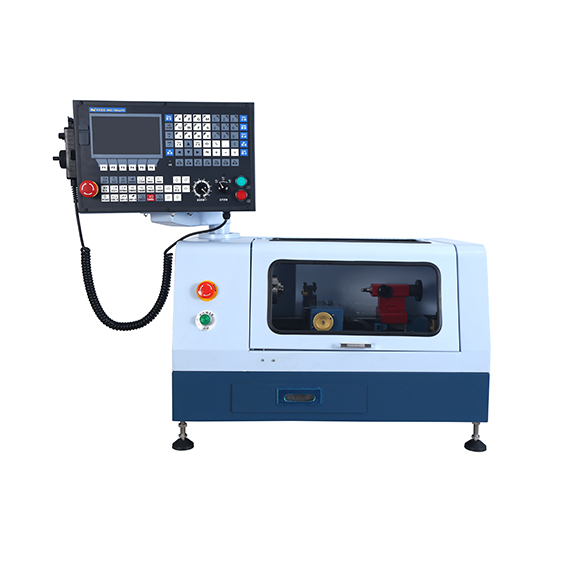
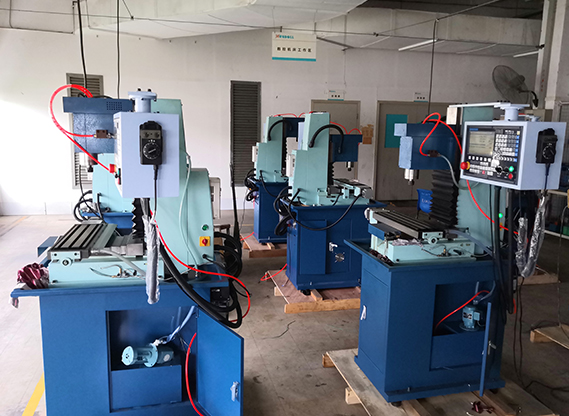
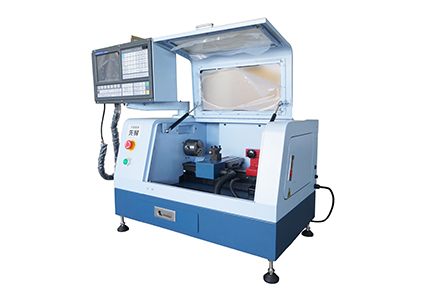
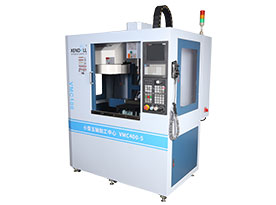
▸High performance 2 axis Lathe CNC controller.| ▸8 inches color screen, interface can be made of parameter selection in both Chinese and English.| ▸The standard spec includes MPG hand wheel.| ▸Selection of high -quality casting materials, more compact, High strength guide way.| ▸Automatic 4 positions tool post.| ▸Controller auto stop work when door open.| ▸High quality 2 axis AC Servor Motor.| ▸USB and RS232 port, DNC function of USB.| ▸Control speed of G code.| ▸Best choice for DIY or Hobby user and Education & Training CNC.|
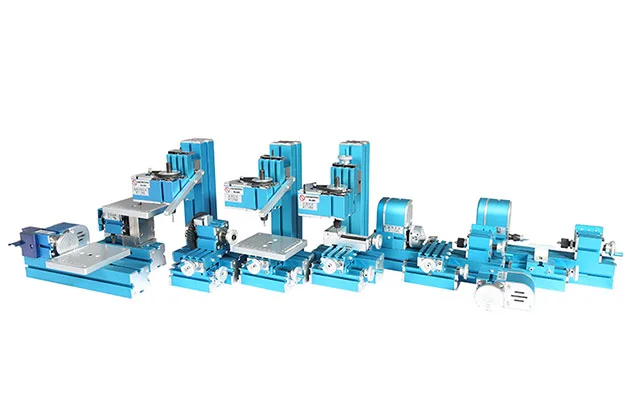
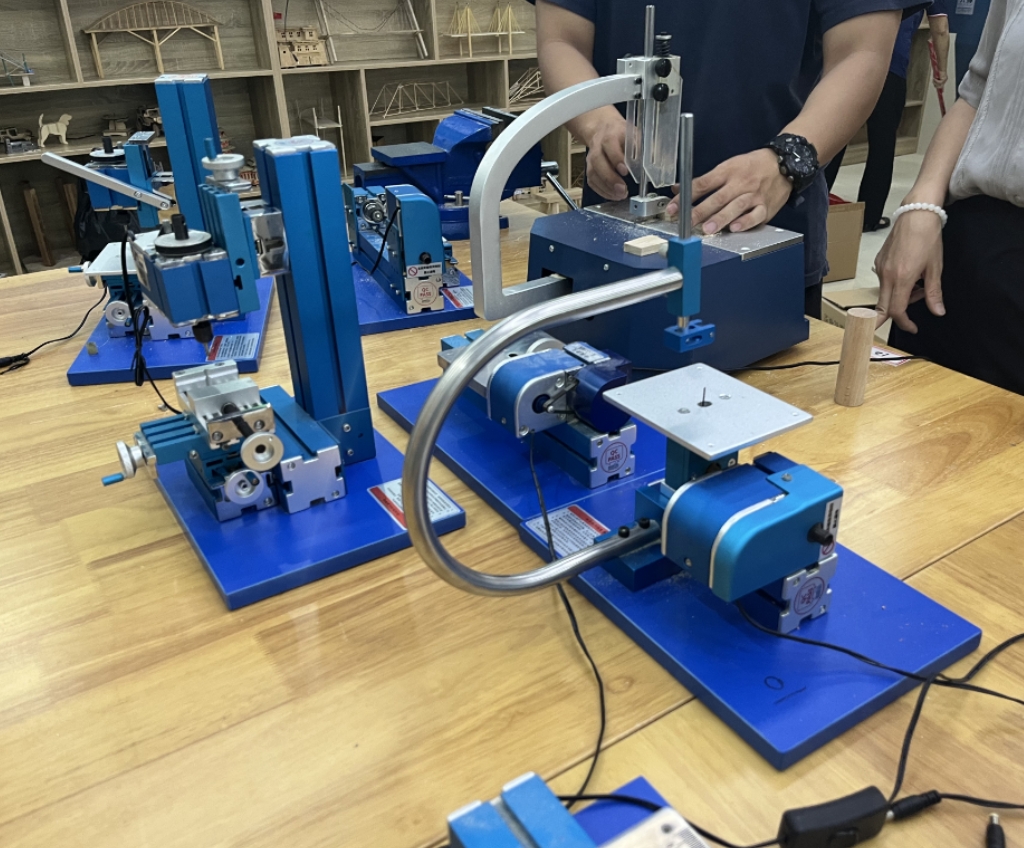
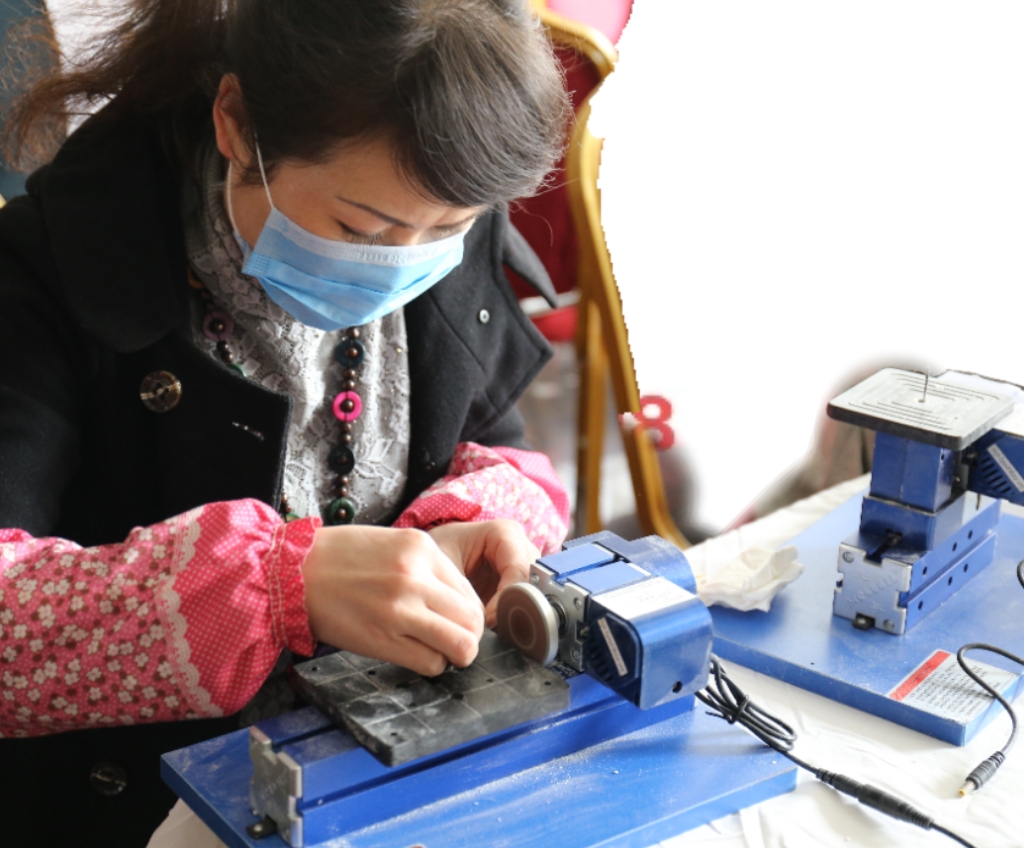
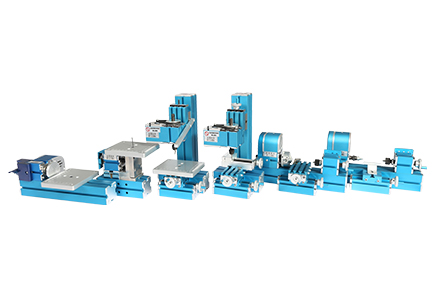
Metal Jigsaw | Metal woodturning Machine| Metal lathe Machine | Metal Milling Machine| Metal Drilling Machine| Metal Sanding Machine| Metal On-hand machine| Metal Drilling machine with dividing attachment


Xendoll has 22 years of experience in the production of small machine tools. We will help you choose the suitable machine and share our experience in CNC machining with you.
 Dec 19, 2025

 1454
1454
For many newcomers and even experienced machinists exploring digital fabrication, a common question arises: What is the true level of difficulty in operating a CNC mill or lathe? The answer is nuanced. Operating CNC (Computer Numerical Control) equipment is not uniformly "hard" or "easy"; rather, it exists on a spectrum of complexity. The initial learning curve can be steep, but with structured learning and practice, achieving proficiency is highly attainable. This article breaks down the factors influencing this difficulty, providing a clear roadmap for beginners, hobbyists, and professionals alike.
Breaking Down the Learning Curve: From Basic to Advanced
The core difficulty lies in the journey from complete novice to competent operator. At the most fundamental level, basic operation—loading a design file, setting up the machine, and initiating a pre-programmed job—has become significantly more accessible. Modern mini CNC mills and lathes, like those from Xendoll Tools, often feature user-friendly software interfaces, detailed manuals, and robust customer support. For a hobbyist making simple parts from wood or soft plastics, the entry barrier is lower than ever.
However, true mastery involves several deeper layers:
Programming & CAD/CAM: This is often the most challenging aspect. Moving beyond pre-made files requires learning G-code (the machine's language) or, more commonly, using CAM software to convert 3D models into toolpaths. This demands spatial reasoning and an understanding of tool geometry, speeds, feeds, and material properties.
Precision Setup & Tooling: The machine does what it's told, so accuracy hinges on the operator's setup. This includes correctly securing the workpiece (using vices, chucks, or fixtures), installing and calibrating cutting tools, and establishing precise zero points. A mistake here can ruin a part or cause tool breakage.
Material Knowledge: Machining aluminum differs vastly from machining steel, titanium, or composites. Understanding how different materials react to cutting forces is crucial for success and safety.
Key Factors That Influence Operational Complexity
Several variables directly impact how difficult a specific CNC operation will be:
Machine Type & Sophistication: A 3-axis benchtop CNC mill is generally simpler to learn than a 5-axis industrial machining center. Similarly, a basic CNC lathe might be more straightforward for cylindrical parts than a mill-turn center. Starting with appropriately sized, hobby or education-focused equipment builds confidence.
Part Complexity: Cutting a simple sign is easy. Producing a high-tolerance aerospace component with intricate geometries is immensely difficult. The complexity of the desired part dictates the required skill level in design, programming, and machine operation.
The Operator's Background: Individuals with manual machining experience, mechanical aptitude, or familiarity with technical software will find the transition smoother. For complete beginners, fundamental concepts like reading technical drawings or understanding metallurgy are additional learning steps.
From Daunting to Doable: The Path to Proficiency
While the scope of knowledge seems broad, the path to competence is well-established. The difficulty is managed by breaking the skill set into manageable segments:
Structured Learning: Utilize the vast array of online tutorials, forums, and video courses dedicated to CNC operation. Manufacturer resources, like those provided for Xendoll Tools equipment, are invaluable starting points.
Hands-On Practice: Start with simple projects. Use affordable, easy-to-machine materials to build muscle memory and intuitive understanding. Incrementally increase the complexity of your designs.
Leverage Modern Technology: Today's software does much of the heavy lifting. Intuitive CAD/CAM programs allow users to focus on design rather than manual G-code programming. Features like simulation and toolpath visualization prevent costly errors.
Community & Support: Engaging with the global community of machining enthusiasts and professionals through online platforms provides instant access to troubleshooting advice and inspiration.
Conclusion: A Manageable Challenge with Immense Rewards
So, what is the level of difficulty in operating a CNC mill or lathe? It is a manageable and graded challenge. Initial operations are within reach for a dedicated beginner, especially with today's advanced yet accessible equipment. The full depth of the craft offers a lifelong learning journey for those who seek it. The key is to start with the right machine for your needs—whether for education, small-scale fabrication, or professional prototyping—and commit to progressive learning. Companies like Xendoll Tools cater precisely to this journey, providing reliable mini CNC machines that balance capability with approachability. By demystifying the process and embracing step-by-step skill acquisition, operators can successfully transform digital designs into precise physical reality, unlocking the profound creative and professional potential of CNC technology.


 Show all our samples
Provide you with a free quote
Answer all the questions you may have
Guided installation and other options
Show all our samples
Provide you with a free quote
Answer all the questions you may have
Guided installation and other options