Blog
Xendoll has 22 years of experience in the production of small machine tools. We will help you choose the suitable machine and share our experience in CNC machining with you.

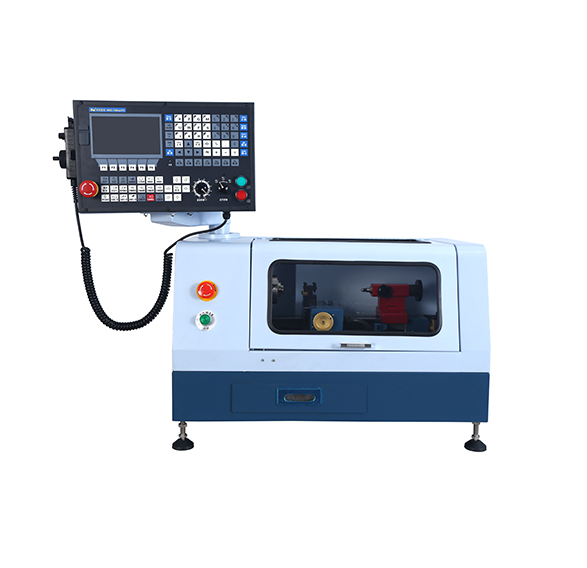
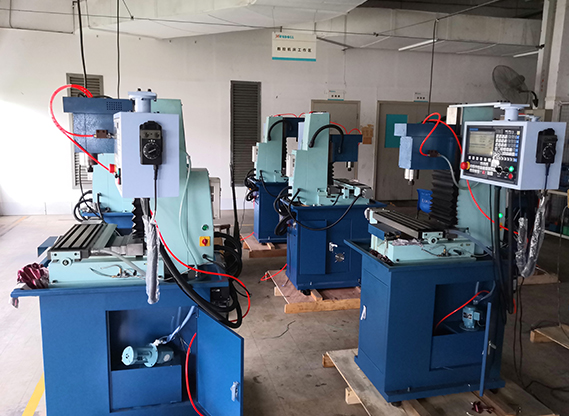
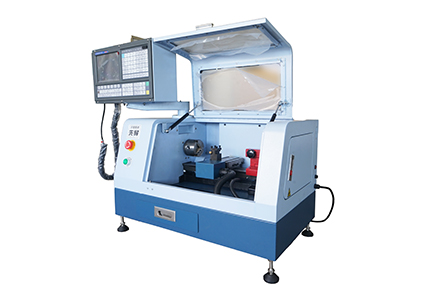
▸High performance 2 axis Lathe CNC controller.| ▸8 inches color screen, interface can be made of parameter selection in both Chinese and English.| ▸The standard spec includes MPG hand wheel.| ▸Selection of high -quality casting materials, more compact, High strength guide way.| ▸Automatic 4 positions tool post.| ▸Controller auto stop work when door open.| ▸High quality 2 axis AC Servor Motor.| ▸USB and RS232 port, DNC function of USB.| ▸Control speed of G code.| ▸Best choice for DIY or Hobby user and Education & Training CNC.|
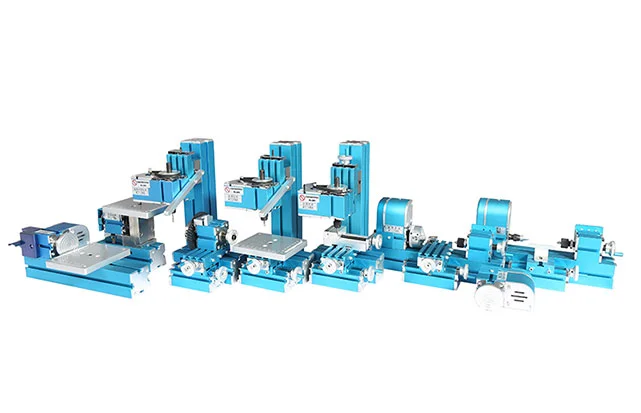
Metal Jigsaw | Metal woodturning Machine| Metal lathe Machine | Metal Milling Machine| Metal Drilling Machine| Metal Sanding Machine| Metal On-hand machine| Metal Drilling machine with dividing attachment


Xendoll has 22 years of experience in the production of small machine tools. We will help you choose the suitable machine and share our experience in CNC machining with you.
 Nov 18, 2026
 XEDNDOLL
 6
Keywords: # Creative Woodworking Course, # Primary and Secondary School Labor Skills Course, # Woodworking Education Equipment, # Woodworking Student Machine Tool, # Woodworking Creative Course
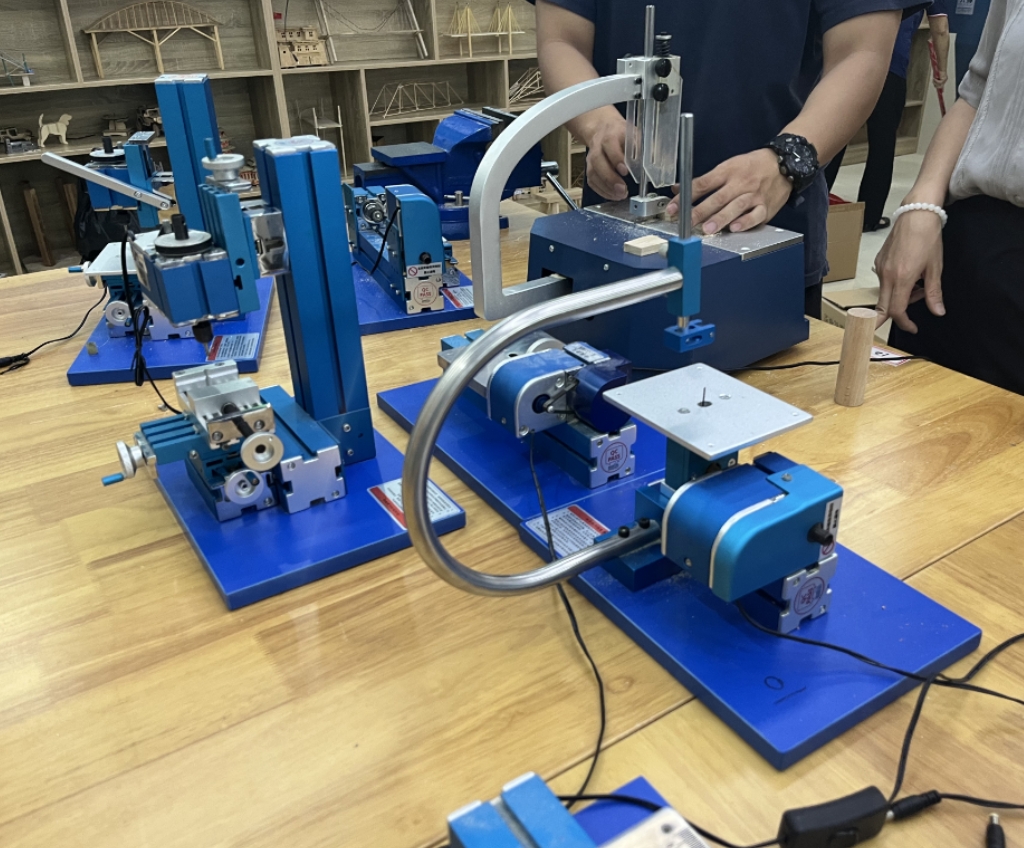
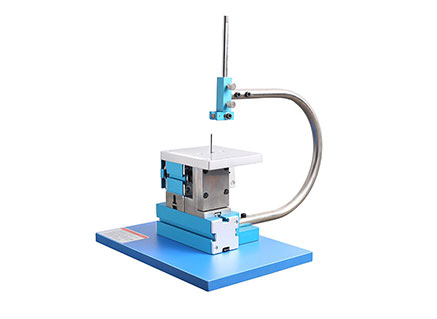
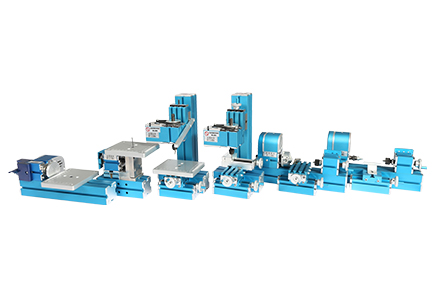
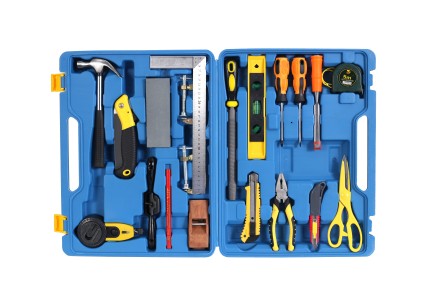
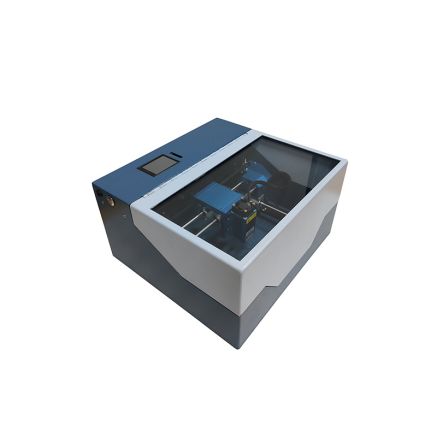
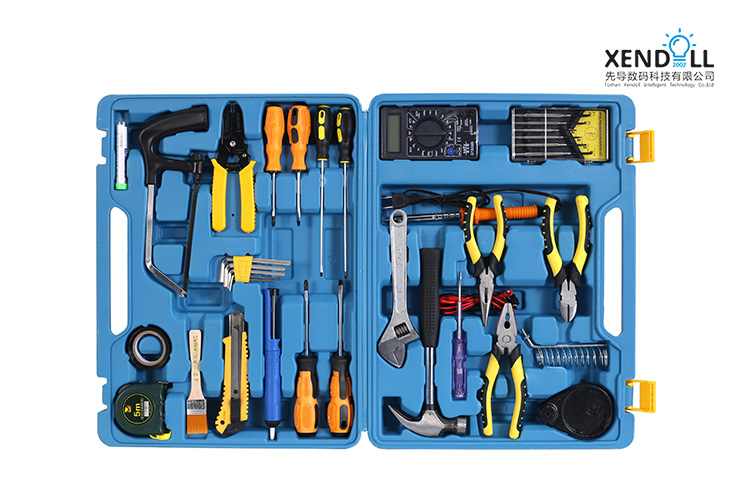
In the teaching spaces of primary and secondary schools, the metalworking room used to be regarded as “the classroom that requires the most caution.” The advancement of maker education and labor education is changing this situation: the metalworking room is no longer merely a display space where students “watch the teacher do it,” but is gradually becoming a creation base where students truly work with their hands, make mistakes, and improve. Supporting this transformation is a systematically matched set of maker tools, teaching equipment, student-safe machine tools, and woodworking machines.
Students can complete the full loop of design, cutting, drilling, and assembly in the same space. The richer the tools, the more the teacher’s role resembles that of a project consultant, while students must themselves confront real constraints such as material selection, tolerance fit, and structural strength.
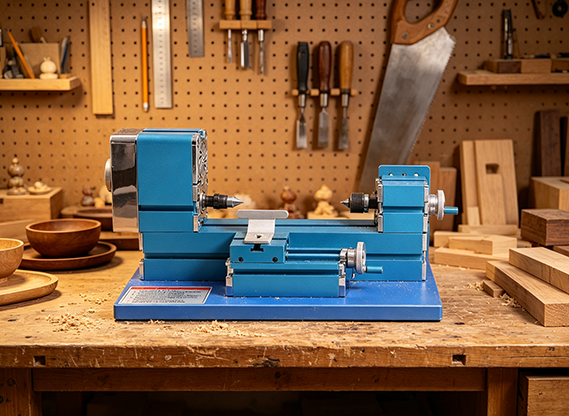
The value of teaching equipment lies precisely in making these constraints “manageable.” Classes in primary and secondary schools are measured in class periods, and students have limited operational proficiency. If industrial-grade equipment were used, not only would costs be high, but safety and maintenance would also be difficult to bear.
Woodworking machines are the indispensable other half of the same system. Wood is easier to process than metal, provides direct tactile feedback, takes shape quickly, and offers a strong sense of accomplishment, making it very suitable as an introductory material; at the same time, the basic actions of sawing, planing, and drilling are highly similar to those in metalworking.
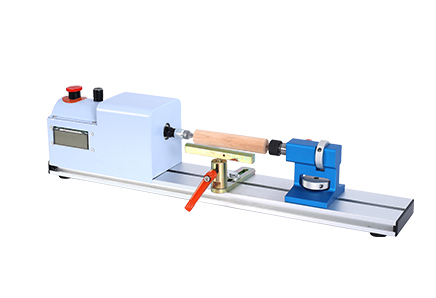
W102MB Metal Lathe Features:
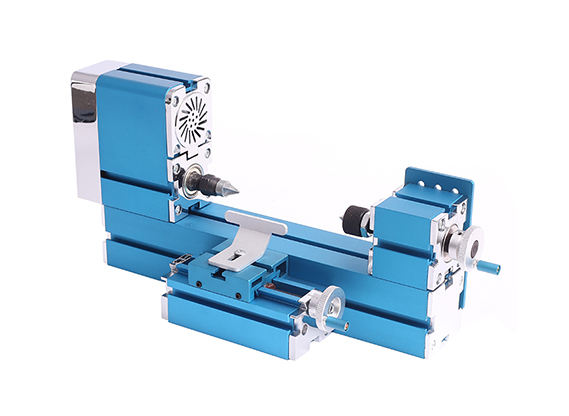
The lathe operates on a safe power supply, and its body contains no plastic parts, greatly improving the equipment’s stability and durability. It can turn various cylindrical shapes, such as Roman columns, vases, and goblets. The hand-held tool allows making to follow one’s imagination, enabling the joy of hands-on work. The main processing material is wood.
Technical parameters:
Motor speed: 20000 r/min ±15%
Spindle speed: 3000 r/min ±15%
Voltage/Power: 100–240 V, 36 W (optional 24 W, 60 W)
Center distance: 110 mm (optional)
Center height: 25 mm (optional)
Max. machining diameter: 45 mm
Product dimensions: 333 × 105 × 150 mm
Applications: campus maker spaces, labor and technical education, metalworking and woodworking, high school general technology, comprehensive practice, and other school and out-of-school institutional courses and individual DIY
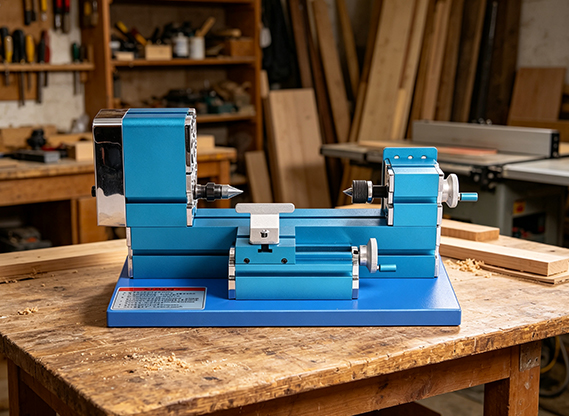
When students understand the relationship between along-grain and cross-grain cutting and between feed speed and cutting quality on a woodworking machine, the learning curve becomes much smoother when they move on to the metalworking stage. Placing woodworking and metalworking side by side also makes students aware that materials each have their own character, and that process choices must be subordinated to material properties.
Ultimately, a reasonably equipped metalworking room carries an education in “having a sense of measure in one’s hands.” Maker tools provide space for imagination, teaching equipment ensures that classes can actually run, safety machine tools draw an impassable boundary, and woodworking machines lower the threshold for getting started.
Welcome to our video link:
YouTube: Xendoll
Facebook: Xendoll
WEB:www.xendolltools.com


 Show all our samples
Provide you with a free quote
Answer all the questions you may have
Guided installation and other options