Blog
Xendoll has 22 years of experience in the production of small machine tools. We will help you choose the suitable machine and share our experience in CNC machining with you.

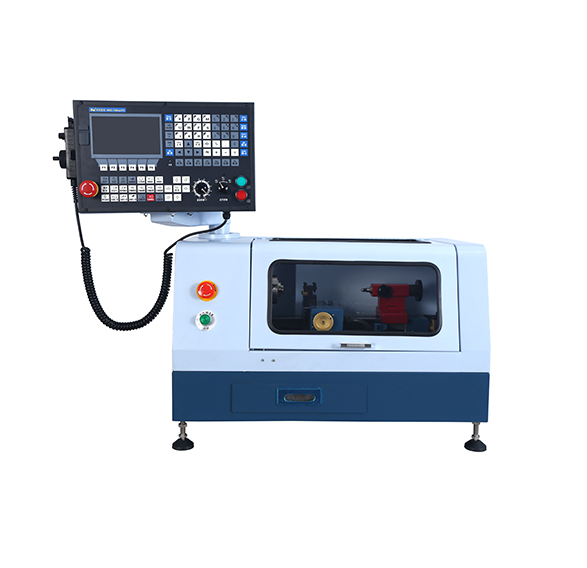
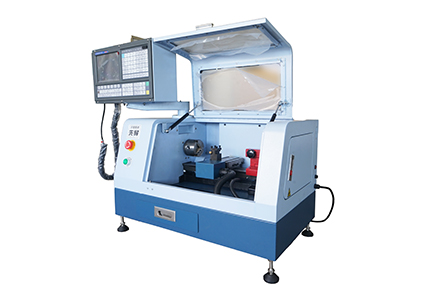
▸High performance 2 axis Lathe CNC controller.| ▸8 inches color screen, interface can be made of parameter selection in both Chinese and English.| ▸The standard spec includes MPG hand wheel.| ▸Selection of high -quality casting materials, more compact, High strength guide way.| ▸Automatic 4 positions tool post.| ▸Controller auto stop work when door open.| ▸High quality 2 axis AC Servor Motor.| ▸USB and RS232 port, DNC function of USB.| ▸Control speed of G code.| ▸Best choice for DIY or Hobby user and Education & Training CNC.|
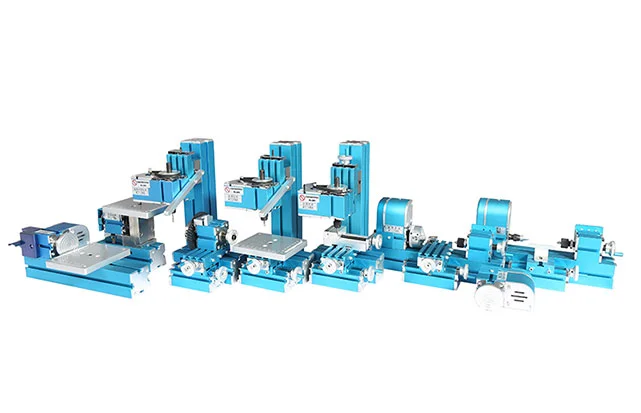
Metal Jigsaw | Metal woodturning Machine| Metal lathe Machine | Metal Milling Machine| Metal Drilling Machine| Metal Sanding Machine| Metal On-hand machine| Metal Drilling machine with dividing attachment


Xendoll has 22 years of experience in the production of small machine tools. We will help you choose the suitable machine and share our experience in CNC machining with you.
 Oct 23, 2026
 XENDOLL
 3
The educational value of woodworking teaching is beyond doubt, but the risk threshold of traditional electric equipment has made many schools “want to offer the course but dare not.” The development of maker spaces faces a similar dilemma—without processing equipment that students can safely and independently operate, “making” degenerates into designs on paper and modeling on screens.
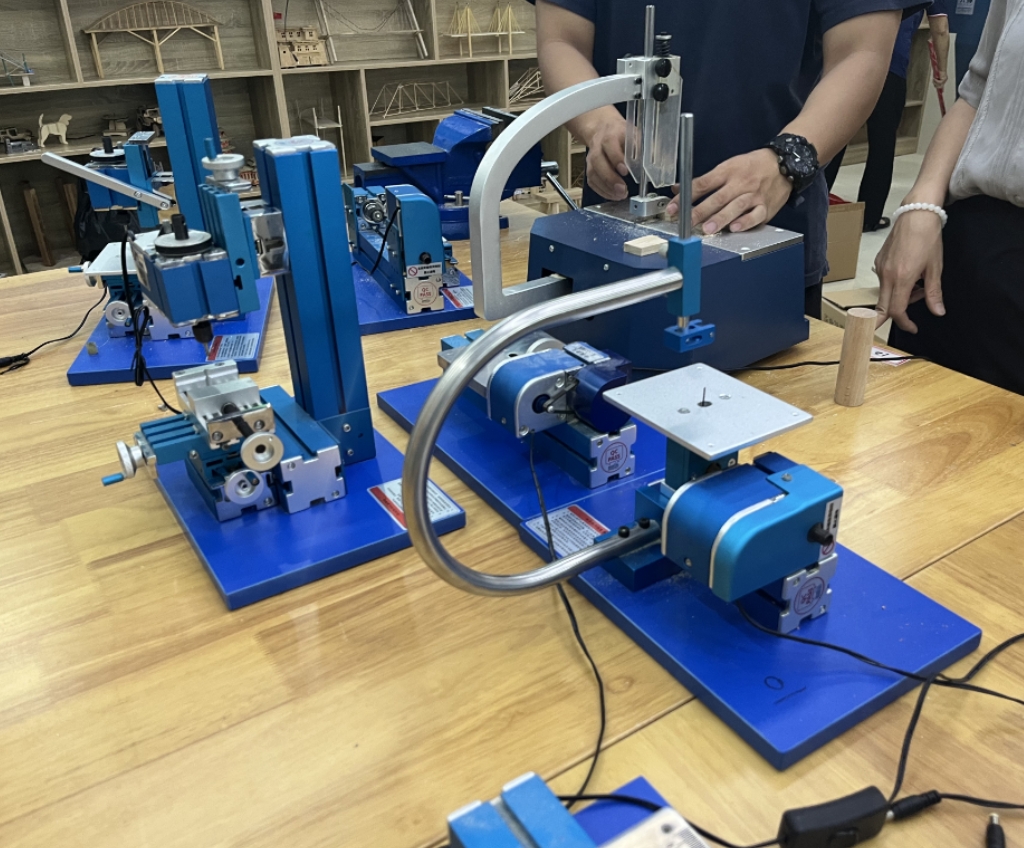
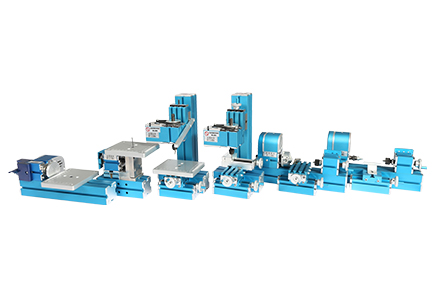
The real turning point comes from a fundamental shift in equipment design logic: instead of making students adapt to industrial equipment, machine tools should redefine themselves in a way that is “born for education.” Represented by student-safe machine tools and miniature machine tools, a category of educational equipment is pushing woodworking rooms and maker spaces from “display spaces” toward “making sites where everyone can get hands-on.”
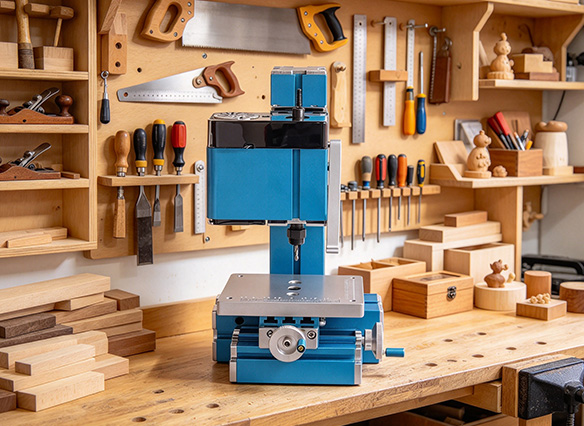
The core of “student-safe machine tools” lies not in how many protective covers are added, but in redefining the relationship between people and tools from the power source and mechanical principles. Miniature safety machine tools currently used in primary and secondary schools generally adopt 12V safety voltage drive. This voltage level falls within the category of safety extra-low voltage; even under humid conditions or accidental contact, it will not pose an electric shock threat to the human body. This means that safety no longer relies entirely on teachers’ high vigilance and full-process supervision, but is embedded in the technical architecture of the equipment itself.
At the same time, miniaturization itself is also a safety strategy. Miniature machine tools are miniatures of industrial machine tool prototypes, featuring small size, light weight, and small footprint. Ordinary classrooms can be equipped with multiple workstations without complex infrastructure renovation. The reduction in equipment scale not only lowers the kinetic energy and risk of a single operation, but also enables woodworking teaching to move from dedicated labor and technology classrooms into broader maker spaces and ordinary classrooms.
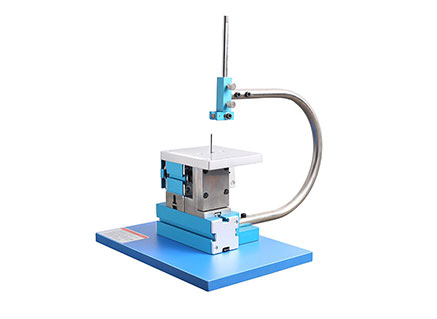
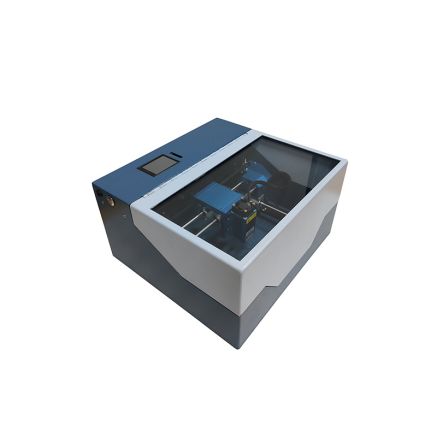
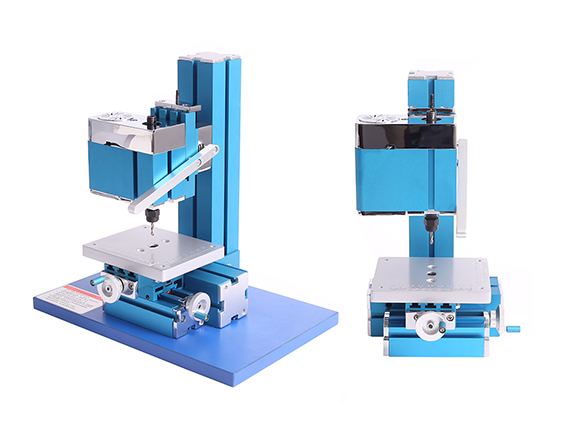
Metal Drilling Machine (W105MB)
Functional features:
The drilling machine operates on a safety power supply. The body has no plastic parts, greatly improving the stability and durability of the equipment. It can drill holes in processing materials according to actual needs. Standard specifications: φ1, φ2, φ2.5, φ3, φ3.5, φ4, φ5, φ6.
Technical parameters:
Motor speed: 20,000 r/min ±15%
Spindle speed: 3,000 r/min ±15%
Voltage/Power: 100V–240V, 36W (optional 24W, 60W)
Large slider stroke (X-axis): 45 mm
Small slider stroke (Y, Z axes): 35 mm
Chuck specifications: φ1, φ2, φ2.5, φ3, φ3.5, φ4, φ5, φ6
Twist drill bits: φ2/φ3
Handle scale: 0.1 mm/grad
Product dimensions: 168 × 205 × 278 mm
Package dimensions: 330 × 205 × 241 mm
Materials: wood, soft metals (gold, silver, aluminum, copper), acrylic, plastics, etc.
Applications: campus maker education, labor and technology, metalworking and woodworking, high school general technology, comprehensive practice, and other in-school and out-of-school courses and personal DIY.
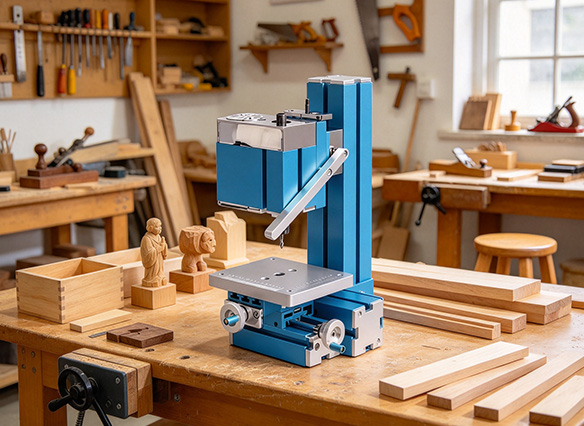
The introduction of the metal drilling machine is particularly symbolic. In traditional labor and technology classrooms, metal processing often remains at the level of “getting to know it” due to issues such as equipment safety and operational complexity. In contrast, metal drilling machines designed specifically for primary and secondary schools use all-metal bodies, support multi-specification drilling from φ1 to φ6, and can process wood, soft metals, acrylic, plastics, and other materials.
When students can complete cross-material operations from wood cutting to metal drilling in the same workshop, the woodworking room transcends the single attribute of “woodworking” and becomes a true comprehensive making space.
The three-stage curriculum system of “basic skills + project practice + innovation expansion” provided by educational equipment enterprises such as Xiandao relies precisely on such modular equipment, enabling students to move from making simple parts to assembling complex models, and to independently complete the entire process from creative conception to finished product.
Keywords:
#MakerClassroom,#PrimaryAndSecondarySchoolLaborAndTechnologyClass#WoodworkingEducationEquipment, #WoodworkingStudentMachineTool, #MakerWoodworkingMachineTool
Welcome to our video link:
YouTube: Xendoll
Facebook: Xendoll
WEB:www.xendolltools.com


 Show all our samples
Provide you with a free quote
Answer all the questions you may have
Guided installation and other options