Blog
Xendoll has 22 years of experience in the production of small machine tools. We will help you choose the suitable machine and share our experience in CNC machining with you.

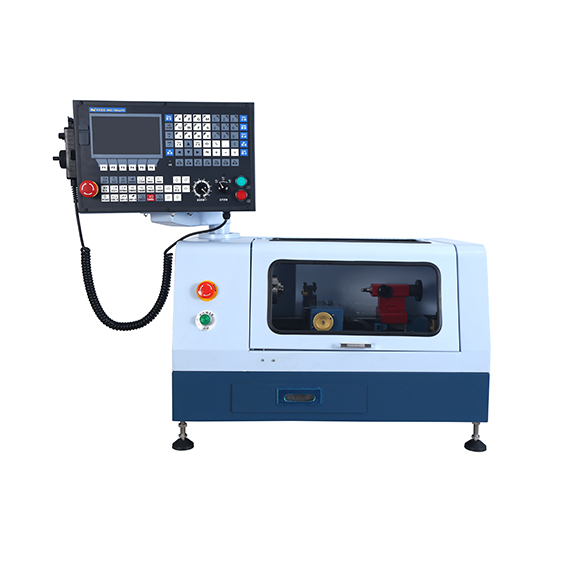
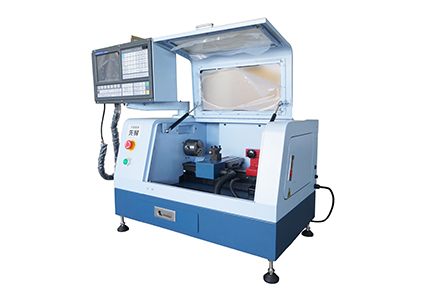
▸High performance 2 axis Lathe CNC controller.| ▸8 inches color screen, interface can be made of parameter selection in both Chinese and English.| ▸The standard spec includes MPG hand wheel.| ▸Selection of high -quality casting materials, more compact, High strength guide way.| ▸Automatic 4 positions tool post.| ▸Controller auto stop work when door open.| ▸High quality 2 axis AC Servor Motor.| ▸USB and RS232 port, DNC function of USB.| ▸Control speed of G code.| ▸Best choice for DIY or Hobby user and Education & Training CNC.|
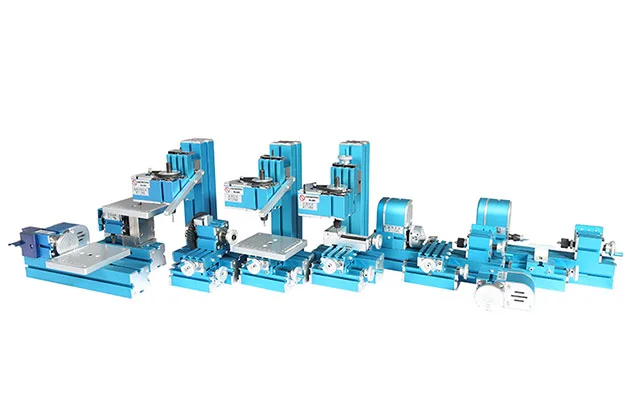
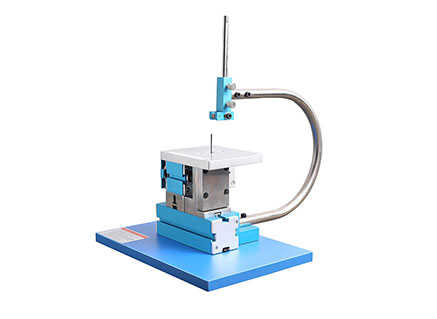
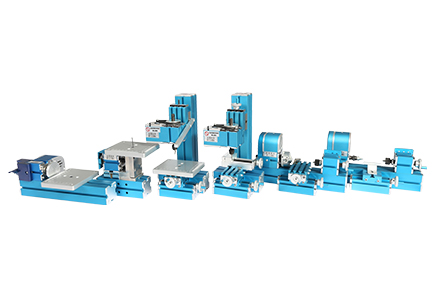
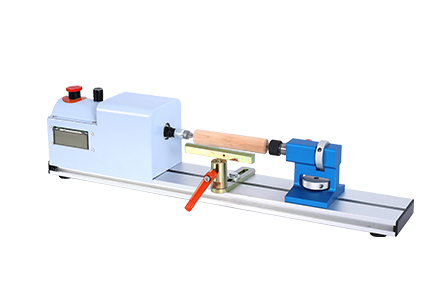
Metal Jigsaw | Metal woodturning Machine| Metal lathe Machine | Metal Milling Machine| Metal Drilling Machine| Metal Sanding Machine| Metal On-hand machine| Metal Drilling machine with dividing attachment


Xendoll has 22 years of experience in the production of small machine tools. We will help you choose the suitable machine and share our experience in CNC machining with you.
 Apr 28, 2026
 XENDOLL
 702
702
Keywords: #factory #Small CNC Machine Tool, # Desktop CNC Machine Tool, # cnclathes, # Small Teaching Machining Center, # Desktop CNC Lathe#education
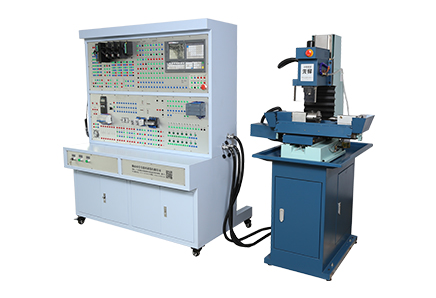
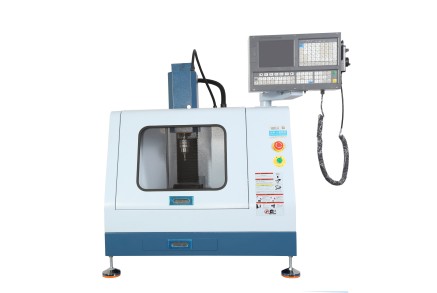
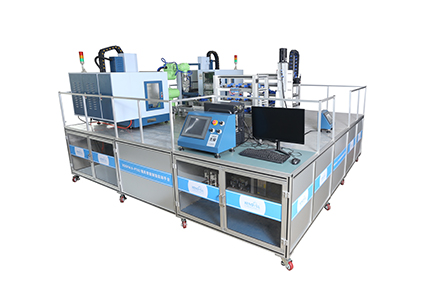
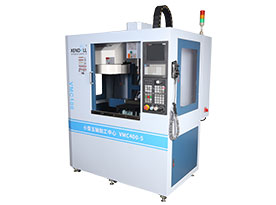
In today's world, where the wave of intelligent manufacturing is sweeping the globe, CNC technology has become the core of modern manufacturing. However, an interesting phenomenon is unfolding in the training rooms of vocational schools and maker spaces: alongside large industrial CNC machines, their "mini versions"—small CNC lathes—are becoming increasingly common.
These "small machines" are not simply toy models; they are important tools driving reform in vocational education and realizing maker dreams, opening up a vast new horizon for engineering and maker education.
For a long time, CNC technology instruction has faced the dilemma of the "three highs and one difficulty": high equipment cost, high space occupation, high material consumption, and high safety risks. A large industrial CNC lathe can easily cost several hundred thousand yuan, occupy several square meters, consume several kilowatts of power, and pose potential dangers during machining—all of which deter many schools. Consequently, students often have to rely on "theoretical practice" or gain only a superficial understanding through limited observations, making it difficult to obtain ample hands-on experience.
The advent of small CNC lathes acts like a "golden key," precisely unlocking these teaching challenges.
Affordable cost, making possible: Their price is only a fraction of that of large machines, enabling schools to purchase them in batches and set up CNC training rooms with dozens of workstations, turning the ideal of "one person, one machine" hands-on training into reality.
Compact size, efficient space utilization: Typically occupying less than 0.5 square meters, using standard 220V single-phase power, and consuming less than 1 kVA. This means an ordinary classroom can easily accommodate over a dozen machines, greatly improving the utilization of teaching space.
Technical Parameters of the Leading Small CNC Lathe C56:
Parameter Value:
Positioning accuracy|±0.03mm
Repeat positioning accuracy|±0.02mm
X-axis travel 70mm
Z-axis travel 160mm
Effective workbench size|130×85mm
Max. swing diameter|140mm
Spindle bore diameter|10mm
Max. clamping diameter|70mm
Spindle motor power|150W
Power supply|AC220V/50Hz
Net weight / Gross weight |50/60kg
External dimensions|750×450×450mm
In the macro structure of vocational education, small CNC lathes and large production-grade machines are not substitutes; rather, they form a complementary, step-by-step, scientific teaching chain.
Small CNC lathes are more suitable for the early stages of CNC technology instruction. They allow students to quickly get started, master core skills such as CNC programming, tool setting, and process analysis, without the psychological burden or safety pressure. Once students have built a solid foundation on the "small machines," transitioning to "large machines" for later-stage production internships enables them to adapt faster to the industrial environment and achieve a seamless shift from "novice" to "skilled operator."
This model of "small machines build the foundation, large machines hone practical skills" effectively enhances the systematic and effective nature of teaching, cultivating a large number of high-quality technical and skilled talents who are both theoretically knowledgeable and practically proficient for the nation.


 Show all our samples
Provide you with a free quote
Answer all the questions you may have
Guided installation and other options
Show all our samples
Provide you with a free quote
Answer all the questions you may have
Guided installation and other options